
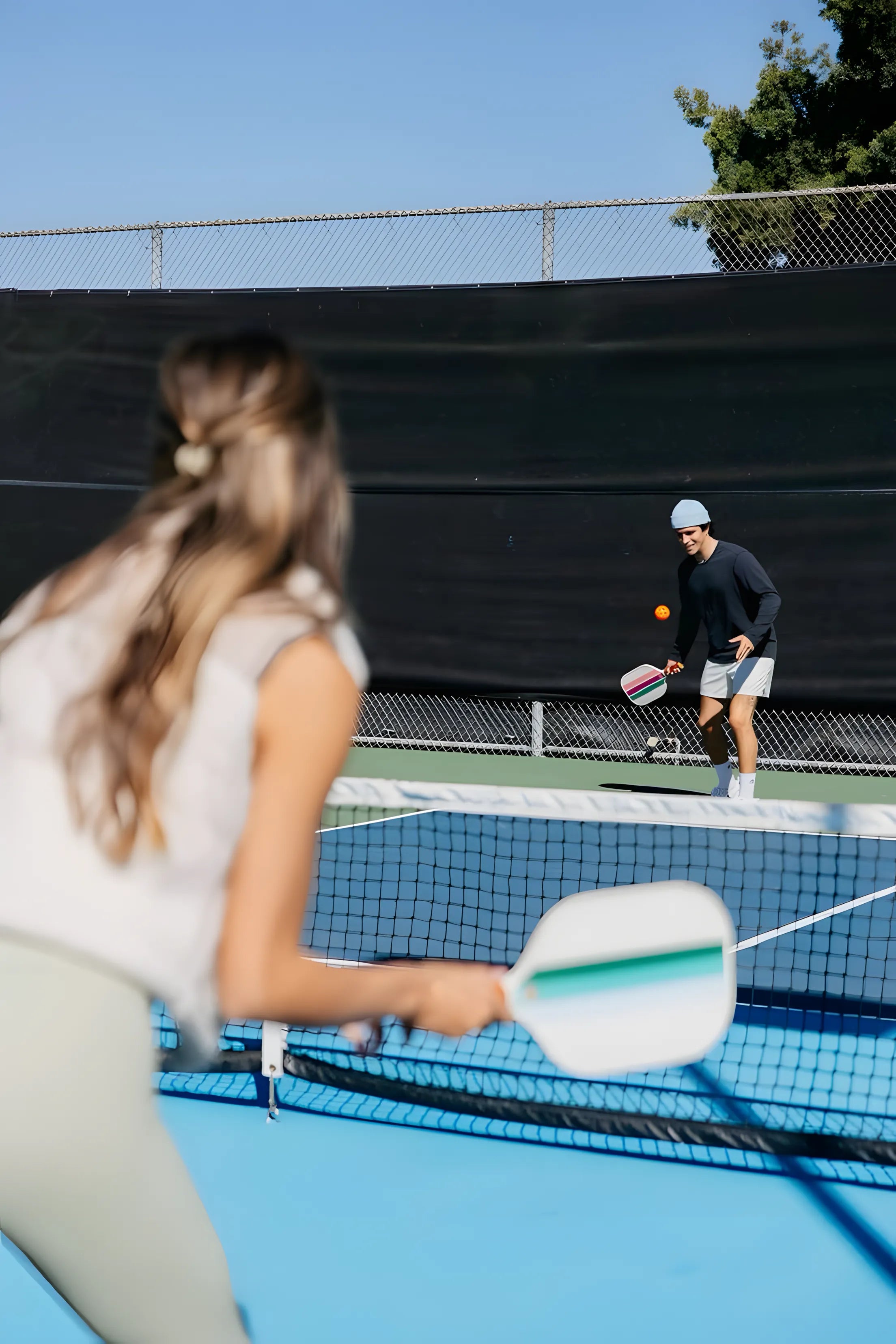
What Is Pickleball? A Quick Origin Story and Why It Hooks Players Fast
Pickleball is a fast-growing paddle sport that combines elements of tennis, badminton, and ping-pong. Invented in the mid-1960s by a group of friends in Washington State, this game was created to entertain their families with a new, accessible sport. Over the decades, pickleball has evolved from a backyard pastime to a national favorite, with dedicated courts popping up everywhere from community centers to school gyms.
So, why does pickleball hook players so quickly? It’s simple: the game offers low-impact cardio that’s easy on the joints, making it perfect for all ages and fitness levels. The small court size means less running and more engaging rallies, while the social nature of doubles play turns matches into fun, community-building experiences. Players love the blend of friendly competition and casual fun — it’s just as great for weekend beginners as it is for serious competitors.
Demographically, pickleball appeals to a wide age range but is especially popular among adults aged 40 and up who want to stay active without intense strain. However, younger players and families are joining in, attracted by the fast pace and easy learning curve. Local playing habits often revolve around community leagues and open play times, which vary by region but usually foster strong, supportive groups. Whether you’re looking for weekday morning games or weekend tournaments, pickleball communities are surprisingly welcoming and vibrant.
Pickleball Rules Explained: Master the Basics in Under 5 Minutes
Court Layout and Zones
A pickleball court is 20 feet wide and 44 feet long—smaller than a tennis court, making it easier to cover. Key zones include:
- Non-Volley Zone (Kitchen): The 7-foot area on each side of the net where you can’t volley (hit the ball in the air).
- Baseline: The back boundary line where serves must land past.
- Service Courts: The two rectangles on each side where serves must land diagonally.
Scoring Essentials and Side-Out Rotation
- Pickleball uses rally scoring but you can only score points while serving.
- Games usually go to 11 points, win by 2.
- In doubles, each player serves before the serve switches sides.
- When the serving team loses a rally, the serve passes to the other team (side-out).
Key Rules Breakdown
- Serve: Underhand, diagonally into the opposite service court, must clear the non-volley zone.
- Double Bounce Rule: The ball must bounce once on each side before volleys are allowed.
- Non-Volley Zone Rule: No volleying inside the kitchen. You must let the ball bounce there first.
- Faults: Let serves, hitting the ball out of bounds, volleying in the kitchen, or stepping over the baseline on serve.
Common Myths Debunked
- Myth: You can only play doubles. (Singles is popular too!)
- Myth: It’s just for old folks. (Players of all ages love it.)
- Myth: You need expensive gear to start. (Basic paddle and balls work fine.)
Pro Tips and Rulebook Links
- Practice the third shot drop to control rallies.
- Use the dinking strategy—soft shots in the kitchen to outsmart opponents.
- For official rules and updates, check out the USA Pickleball Association at usapickleball.org.
With these basics, you’re ready to start playing smart and having fun right away!
Essential Pickleball Equipment: What You Need (and Velafit's Top Picks) to Hit the Court
To get started with pickleball, having the right gear makes a big difference. Here’s what you need to know about paddles, balls, shoes, and more, plus a quick buying guide for beginners.
Paddle Types and Materials
Paddles come in different shapes, sizes, and materials. Most beginners choose from:
- Wood: Affordable but heavier—great for casual play.
- Composite: Lightweight with a mix of fiberglass or carbon fiber, offering better control and power.
- Graphite: High-performance and light, ideal if you want more speed and precision.
Balls: Indoor vs Outdoor
Pickleball balls vary based on where you play:
- Indoor Balls: Softer, with larger holes, slow down the game—perfect for gym or indoor courts.
- Outdoor Balls: Harder plastic and smaller holes, made to handle wind and rough surfaces.
Apparel, Shoes, and Accessories
Comfort and safety matter:
- Shoes: Pickleball courts are fast-paced, so wear non-marking, court-specific shoes with good lateral support.
- Clothing: Breathable, flexible sportswear helps with mobility.
- Accessories: Wristbands, hats, and paddle grips improve comfort and control.
Gear Checklist Table
| Gear Item | Beginner Tips | Velafit Top Picks |
|---|---|---|
| Paddle | Composite paddle, medium weight | Velafit Carbon Fiber Paddle |
| Balls | Start with outdoor balls for versatility | Velafit Pickleball Outdoor Balls |
| Shoes | Court shoes with grip and support | Velafit Performance Court Shoes |
| Apparel | Moisture-wicking, flexible clothes | Velafit Athletic Wear |
| Extras | Grip tape, wristbands | Velafit Paddle Grip & Wristband |
Buying Guide for Beginners
- Start simple: Choose a paddle that feels comfortable, not too heavy.
- Match balls to your play environment: Indoor or outdoor balls matter for your game experience.
- Invest in good shoes: Injury prevention starts with proper footwear.
- Don’t forget accessories: Paddle covers and grips extend your gear’s life.
- Test gear where you can: Local shops or pickleball clubs often let you try paddles before buying.
Velafit’s gear range covers all these essentials, balancing price and quality for new and seasoned players alike. Getting the right equipment sets you up for better play and more fun on the court.
How to Play Pickleball: Step-by-Step Beginner Strategies and Drills
Getting started with pickleball is easier than you think once you nail the basics. Here’s a simple guide to help you improve fast and enjoy the game.
Stance and Grip Basics
- Ready position: Feet shoulder-width apart, knees slightly bent, weight on the balls of your feet.
- Grip: Most beginners start with the “continental grip” — hold your paddle like a handshake. It’s versatile for all core shots.
Core Shots and Progression Drills
- Serve: Underhand, aiming deep to the opponent’s court. Practice consistency over power.
- Return of serve: Soft and controlled to keep the rally going.
- Dinks: Gentle shots into the non-volley zone — great for setting up points.
- Third shot drop: A must-learn shot that helps you move to the net strategically.
- Drills: Start with slow dinking rallies, then move into volleys and groundstrokes.
Strategy Pillars for Consistent Play
- Control the kitchen (non-volley zone) — avoid volleys here to prevent faults.
- Communicate with your doubles partner, switching positions smoothly.
- Focus on placement, not power — angles win points.
- Use the third shot drop to neutralize aggressive opponents.
Common Beginner Mistakes and Fixes
-
Mistake: Rushing the serve or hitting too hard.
Fix: Aim for control and consistency instead of strength. -
Mistake: Standing too far behind the baseline.
Fix: Step closer to the court after the serve to improve net play. -
Mistake: Forgetting to call score or sides clearly.
Fix: Always announce the score before each serve.
Skill-Building Routines and DUPR Ratings
- Practice with drills focusing on dinking, volleys, and third shot drops at least 3 times a week.
- Track your progress through local leagues or apps that use DUPR ratings (Dynamic Universal Pickleball Rating) to see how you improve.
- Join beginner clinics or group sessions to build skills and confidence faster.
Stick with these basics, and you’ll find yourself playing smarter and having more fun every time you hit the court.
Finding Pickleball Near You: Local Courts, Games, and Communities Tailored to Your Schedule
Finding pickleball courts near you is easier than ever with smartphone apps like Pickleball Finder and Places2Play. These tools show nearby indoor and outdoor courts, along with open play schedules and skill-level matchmaking. Whether you’re a beginner or looking for competitive doubles games, these apps help you jump into the action quickly.
Local pickleball habits often mean peak playing times are mornings and early evenings, especially on weekdays. Weekends tend to be busier with tournaments or social events, so checking community boards or club websites can give you a heads-up on upcoming games.
To build connections, joining local Facebook groups or pickleball forums is a great move. Many areas host casual meetups and beginner clinics you can sign up for, making it easy to find partners and learn new drills.
At Velafit, we also host regular pickleball events and skill workshops across the country to help players of all levels get involved and improve. Be sure to check our online calendar and use our interactive court maps to plan your next game with less hassle.
With these resources and a little exploration, you’ll quickly find pickleball communities that fit your schedule and skill level—whether for casual fun or serious play.
Pickleball Lingo: 20 Must-Know Terms to Sound Like a Pro (and Avoid Confusion)
If you're new to pickleball, the lingo can feel like its own language. Here’s a quick glossary of key terms every player should know:
- Non-Volley Zone (NVZ): Also called ""the kitchen,"" this is the 7-foot area near the net where you can’t hit the ball in the air.
- Dink: A soft, controlled shot that lands in the opponent’s NVZ, used to set up a winning move.
- Third Shot Drop: A strategic low shot right after the serve that lands softly in the kitchen, helping you move forward.
- Side-Out: When the serving team loses the serve and the other team gets it.
- Volley: Hitting the ball before it bounces.
- Lob: A high shot designed to go over your opponents’ heads.
- Smash: A powerful overhead shot to finish the point.
- Let: A serve that touches the net but lands in the correct service area, replayed without penalty.
- Fault: Any rule violation causing loss of serve or point.
- DUPR Rating: A universal player rating system used to match skill levels.
- Open Play: Times when courts are available for anyone to join.
- Poach: When a player crosses to their partner’s side to hit the ball.
- Crosscourt: Hitting the ball diagonally across the court.
- Drive: A fast, straight shot.
- Kitchen Violation: Stepping into the NVZ during a volley.
- Backspin: A shot that makes the ball spin backward, dropping it quickly.
- Ace: A serve that the opponent can’t touch.
- Pickle: Jokingly refers to being caught in a tough spot during the game.
- Pickled: When a player or team gets shut out in a game.
- The Bar: Slang for hitting the ball just over the net.
Slang and Cultural Notes from Pro Tours
Players on the pro circuit toss around terms like “dink battle” (a slow, tactical exchange in the NVZ) and “transition game” (moving from baseline to the net). These phrases reflect how serious, strategic pickleball has become.
Fun Origins of Popular Phrases
“Pickleball” itself comes from the inventor’s dog named Pickles, who chased stray balls. Meanwhile, “kitchen” is borrowed from badminton’s “non-volley zone” nickname, adding a fun twist to the game’s unique spots.
Learning this lingo helps you follow games and chat with other players confidently—key to enjoying every pickleball match!
Health Benefits, Common Injuries, and Tips for Long-Term Play
Pickleball is great for your body and mind. It offers joint-friendly cardio that’s easier on knees and hips compared to running or basketball. Plus, playing regularly can boost your mood and help reduce stress—making it a solid choice for mental health.
Common Injuries & Prevention
Injuries happen, but most in pickleball are minor. Here are the usual ones and how to avoid them:
| Injury Type | Cause | Prevention Tips |
|---|---|---|
| Ankle sprains | Quick direction changes | Wear supportive shoes; warm up well |
| Tendonitis | Overuse of elbow or wrist | Use proper paddle grip; rest when needed |
| Knee pain | Hard stops and starts | Strengthen leg muscles; stretch daily |
| Shoulder strain | Repetitive overhead shots | Practice good technique; limit play time initially |
Tips for Long-Term Play
- Always warm up and stretch before games
- Pick shoes designed for court sports to reduce impact
- Use recovery gear like braces or cold packs if sore
- Gradually increase your playing intensity—move from casual open play to competitive tournaments as your skill and fitness improve
- Listen to your body to avoid burnout
By keeping these in mind, you’ll enjoy pickleball for years without major setbacks.
Share:
Discover Pickleball Basics and Local Play Tips for Beginners
Pickleball Basics Guide for Beginners Equipment Rules and Local Play