
If you’ve been hearing the buzz about pickleball but aren’t quite sure what it’s all about, you’re in the right place. This fast-growing sport has skyrocketed to over 30 million players in the U.S. alone, and it’s easy to see why. Combining elements of tennis, ping-pong, and badminton, pickleball is thrilling, accessible, and perfect for adults 30 and up looking for fun, low-impact exercise. In this guide, we’ll break down everything you need to know—from what pickleball is and why it’s booming, to simple rules, must-have gear, and how to get on the court today. Let’s dive in and get you playing in no time!
What Exactly Is Pickleball?
Pickleball is a fast-growing sport that blends the best parts of tennis, ping-pong, and badminton. It’s played with paddles and a perforated plastic ball on a court smaller than a tennis court—making it more accessible and less physically demanding.
The game’s origin dates back to 1965 on Bainbridge Island, Washington. It started as a family experiment when three dads—Joel Pritchard, Bill Bell, and Barney McCallum—wanted to create a fun backyard game. They improvised with ping-pong paddles and a wiffle ball on a badminton court, and pickleball was born.
Now, about the quirky name: some say it comes from the founders’ dog, Pickles, who chased after stray balls (though this story only appeared years later). Others believe it’s named after a “pickle boat” in rowing, where leftover rowers form a team—kind of like how pickleball mixes different sports. Either way, it adds a bit of charm to the game’s history.
Here’s how the courts stack up: a pickleball court measures 20 by 44 feet, about one-third the size of a tennis court (which is 78 by 36 feet for doubles). This smaller court makes it easier to cover ground and keeps the rallies quick and exciting.
Key takeaway: Pickleball is an easy-to-learn, hybrid sport with a fun backstory and a compact court, perfect for players of all ages and skill levels.
Why Pickleball Is Taking Over the World in 2025–2026
Pickleball’s popularity is exploding right now, and it’s easy to see why. First, the game has a low physical barrier—it’s gentle on your joints, making it perfect for all ages, especially seniors looking to stay active without strain. Unlike tennis, pickleball’s smaller court and slower pace reduce wear and tear on knees and hips.
It’s also an incredibly social sport. Doubles play dominates, so you’re always part of a team. The game’s friendly vibe attracts people who want to connect, making it a great way to meet new friends or bond with family.
The learning curve is short, so beginners can jump right in. But don’t be fooled—there’s plenty of room for skill growth and endless mastery as you get better. That keeps players hooked season after season.
Add to that the celebrity effect—pro athletes and influencers are openly loving pickleball, which boosts the sport’s profile even more. Plus, cities and communities are investing heavily, with a massive court construction boom nationwide to meet the growing demand.
Finally, it’s not just fun—there are serious health benefits too. Studies show pickleball improves cardio fitness, balance, and mental health, making it a smart choice for overall wellness. All these factors together explain why pickleball is taking over the world in 2025 and 2026.
Pickleball Court and Basic Equipment You Need
Starting with the pickleball court, it’s smaller than a tennis court — measuring 20 feet wide and 44 feet long for doubles play. The court is divided into zones, including the kitchen, or non-volley zone, which is the 7-foot area right next to the net where players can’t hit the ball in the air. This rule keeps the game fair and fun. The net sits at 36 inches high on the ends and 34 inches in the center.
Pickleball courts come in both indoor and outdoor surfaces. Indoor courts usually have smooth wood or gym flooring, while outdoor courts are often made of asphalt or concrete with special pickleball-friendly paint.
When it comes to equipment, here’s what you’ll need to get started, all typically under $150:
-
Paddle: Choose from composite, fiberglass, or carbon fiber paddles. Composite paddles offer a great balance of control and power and are budget-friendly. Fiberglass paddles are lighter and have a solid feel, while carbon fiber paddles tend to be more durable and responsive but pricier.
-
Balls: Pickleball balls differ for indoor and outdoor play. Indoor balls have larger holes and are lighter for slower play. Outdoor balls are tougher with smaller holes to handle wind and rougher conditions.
-
Shoes: Tennis shoes might seem like an easy option, but they don’t offer the best traction or support needed for pickleball’s quick lateral moves. Court-specific pickleball shoes provide better grip and stability to keep you safe on the court.
-
Athletic apparel: Comfortable, breathable clothes are a must. Moisture-wicking fabrics help keep you cool, especially during long sessions.
If you’re looking for reliable gear, check out Velafit’s natural product lineup. Their paddles and shoes are designed with players in mind—lightweight, USAPA-approved, and built to last, all giving you great value without breaking the bank.
Basic Pickleball Rules You Can Learn in 5 Minutes
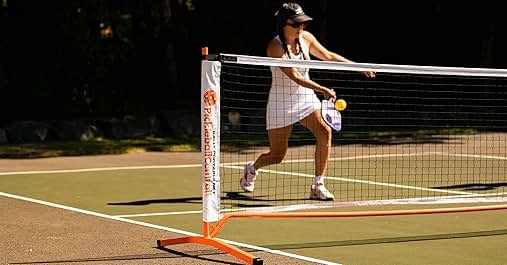
Pickleball rules are simple, which is why you can get started fast. Here’s the rundown:
Scoring Basics
- Only the serving team can score points.
- Games go to 11 points, but you must win by 2.
- If the serving team loses the rally, the serve passes to the other team.
Double-Bounce Rule
- After a serve, each side must let the ball bounce once before volleys (hitting it in the air) are allowed.
- This keeps rallies fair and slows the game for beginners.
The Kitchen (Non-Volley Zone)
- The kitchen is the 7-foot area right next to the net where you can’t volley the ball.
- You’re allowed to step in if the ball bounces there first, but no hitting in the air while inside.
- This rule stops players from smashing right at the net and encourages longer rallies.
Serving Rules
- Serves must be underhand and hit below the waist.
- You serve diagonally to the opposite court.
- You only get one serve attempt (no second serves like in tennis).
Common Faults Beginners Make
- Stepping into the kitchen and volleying (breaking the non-volley zone rule).
- Serving too high or overhand.
- Forgetting to let the ball bounce twice before volleys start.
- Losing track of who serves next.
For a quick reference, you can download a printable one-page pickleball rules cheat sheet that covers all this and more. It’s great for beginners wanting to keep the key rules handy!
How to Get Started Playing Pickleball Today
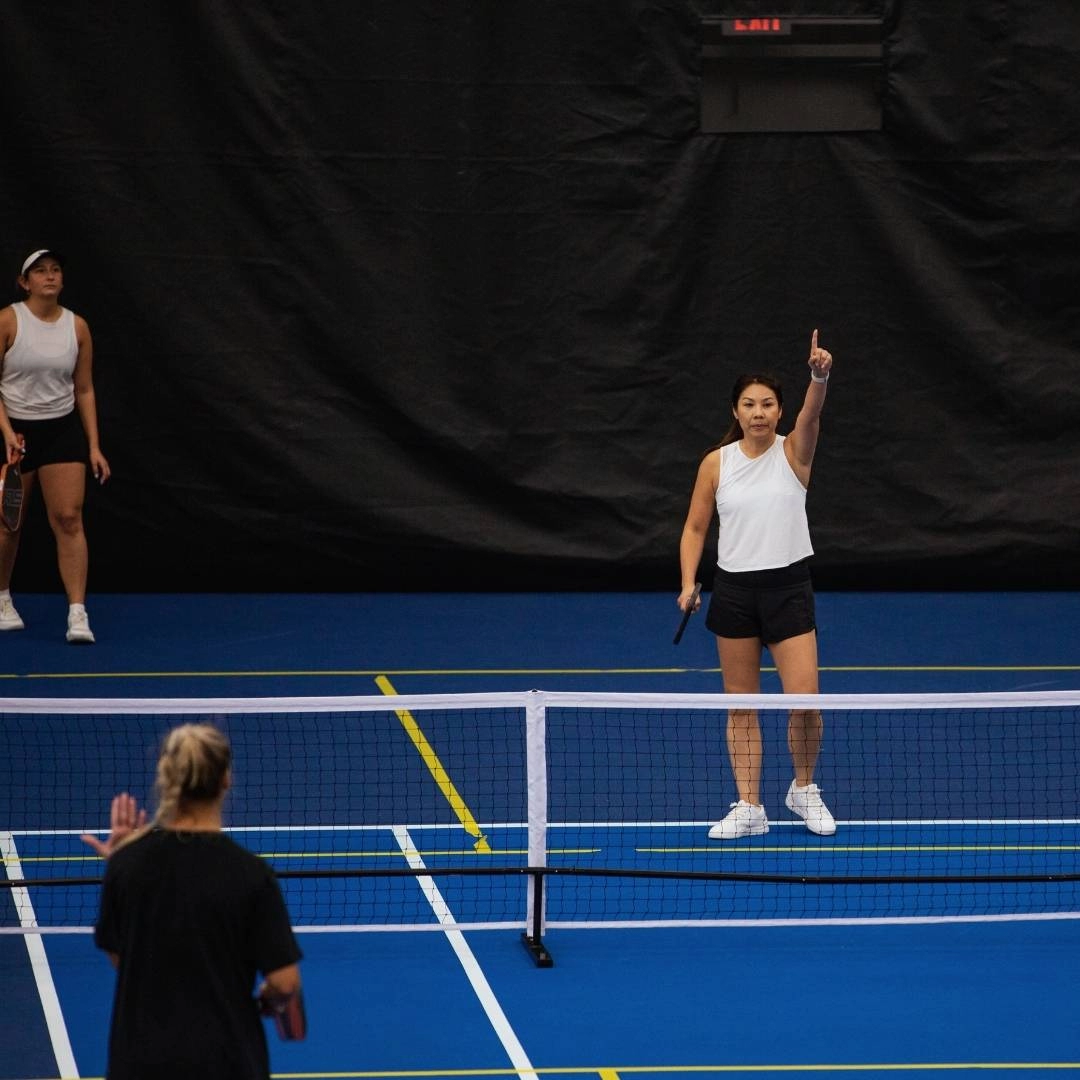
Getting started with pickleball is easier than you think. Here’s a quick guide to help you jump right in:
Step 1: Find Pickleball Courts Near You
Use apps and websites like PlayTimeScheduler, local recreation centers, and community parks to locate nearby pickleball courts. Many areas have dedicated facilities or tennis courts converted for pickleball. Just search “pickleball courts near me” to get started quickly.
Step 2: Join a Beginner Clinic or Open Play Session
Look for beginner clinics or open play times at your local rec center or pickleball clubs. These sessions are great for learning the basics, meeting new players, and getting comfortable on the court. Most places welcome all skill levels, so don’t worry about being new.
Step 3: What to Expect Your First Time
Your first game might feel a bit awkward, and that’s normal—everyone was a beginner once. Expect a friendly atmosphere, lots of rallying, and some laughs. Don’t stress about mistakes; the game is all about fun, socializing, and gradual improvement.
Quick Pickleball Etiquette Tips
- Rotate in: Take turns playing so everyone gets a chance.
- Call the score out loud: Helps keep things clear and fair.
- Be encouraging: Support new players and keep the vibe positive.
- Respect the non-volley zone: Avoid stepping into the kitchen when volleying.
Starting pickleball is low-pressure and social, making it perfect whether you want some exercise or just a fun way to meet people. Grab your paddle and find your nearest court today!
Best Pickleball Paddles and Gear for Beginners (2026)
When starting out in pickleball, having the right gear makes all the difference. Here’s a quick guide for every budget:
Budget Picks ($50–$90):
- Basic composite paddles that offer good control and durability.
- Lightweight enough for beginners who want to avoid arm strain.
- Great for casual play without breaking the bank.
Mid-Range ($90–$150):
- Paddles with enhanced grip options and better materials like fiberglass or carbon fiber blends.
- Balanced weight for more power and control as you get better.
- Velafit paddles fit in this category — approved by USAPA, with different grip sizes and weight classes to match your style.
- Plus, they come with solid warranties, so you’re covered.
Premium ($150+):
- Top-tier paddles that offer maximum responsiveness and feel.
- Ideal for players looking to compete or master the game.
Shoe Recommendations
Regular tennis shoes won’t cut it because pickleball needs quick lateral moves and solid court traction. Look for:
- Shoes designed specifically for pickleball or court sports.
- Features like lateral support and non-marking soles.
- Velafit offers great pickleball shoes that combine comfort, style, and necessary support for injury prevention.
Other Gear to Consider
- Bags: Pickleball-specific bags help keep paddles, balls, and gear organized.
- Grips: Replacing grips improves control and reduces slipping from sweaty hands.
- Hats & Moisture-Wicking Apparel: Stay comfortable on court with breathable clothes and sun protection during outdoor play.
Investing in the right equipment early makes learning easier, safer, and more enjoyable. Velafit’s gear lineup covers all these bases and is tailor-made for the growing US pickleball community.
Common Beginner Mistakes and How to Avoid Them
Starting out in pickleball is fun, but it comes with a few common mistakes beginners often make. Knowing these can help you improve faster and enjoy the game more.
Standing in the Kitchen
Many new players hang out in the non-volley zone (the kitchen) too long. Remember, you can’t volley (hit the ball before it bounces) while standing in this area. To avoid faults, step out of the kitchen before hitting volleys.
Going for Overhead Slams Too Early
It’s tempting to try powerful overhead smashes right away, but timing and positioning are key. Rushing overhead slams can lead to missed shots. Focus first on good placement and control before adding power.
Using the Wrong Paddle Weight or Grip Size
Pickleball paddles come in different weights and grip sizes. Using a paddle that's too heavy may tire your arm quickly, while one too light might reduce control. Grip size affects comfort and wrist movement. Try a few paddles to find your fit.
Not Moving Your Feet Enough
Standing still kills your chances of making good shots. Keep your knees bent, stay on your toes, and be ready to move. Good footwork helps you get in position quickly and keeps you one step ahead during rallies.
Focusing on these areas early will help you avoid big mistakes and get the most out of your pickleball time.
Where to Play Pickleball Near You
Finding places to play pickleball is easier than ever. There are two main types of courts you’ll come across:
- Dedicated pickleball facilities: These are built just for pickleball, with multiple courts and often have leagues, clinics, and tournaments.
- Converted tennis courts: Many communities repurpose tennis courts by adding pickleball lines, so you might see pickleball happening right on your local tennis courts.
To locate courts nearby, some great apps and websites include:
- Pickleheads: A popular site with a huge court directory and player community.
- Places2Play: Official database where you can search for courts by city or ZIP code.
- Local Facebook groups: Many cities have pickleball groups posting playtimes, meetups, and tips.
Here’s a quick note on court availability: states like Florida, Arizona, Texas, and California lead the pack in the number of pickleball courts. So if you’re in one of these areas, you’ll likely find plenty of places to play.
No matter where you live, a quick search through these resources should get you on the court fast!
Frequently Asked Questions about Pickleball
Is pickleball just for old people?
Not at all. While pickleball is popular among seniors because it’s low-impact and easy on the joints, players of all ages enjoy it. It’s a great workout and social sport for anyone from kids to active adults.
Can you play singles?
Yes, singles pickleball is definitely a thing! The court and rules stay mostly the same, but with just two players instead of four. Singles games are faster and require more movement.
How is pickleball different from paddle tennis or padel?
Pickleball uses a smaller court, a plastic ball with holes, and paddles without strings. Paddle tennis and padel have rubber balls and use stringed rackets, plus different court sizes and walls in padel. The play styles and scoring also vary.
How long does a game take?
Most pickleball games go to 11 points, and you have to win by 2. Depending on skill level, a game usually lasts about 10 to 20 minutes, making it easy to fit into a busy schedule.
Do I need lessons?
Lessons help, but they’re not required. Pickleball’s simple rules mean you can start playing and enjoying the game quickly just by practicing with friends or joining beginner clinics. Many local centers offer open play sessions perfect for newcomers.
Share:
Discover Pickleball Basics and Gear Guide for Beginners with Velafit
Discover Pickleball Basics Gear and Local Courts for Beginners