
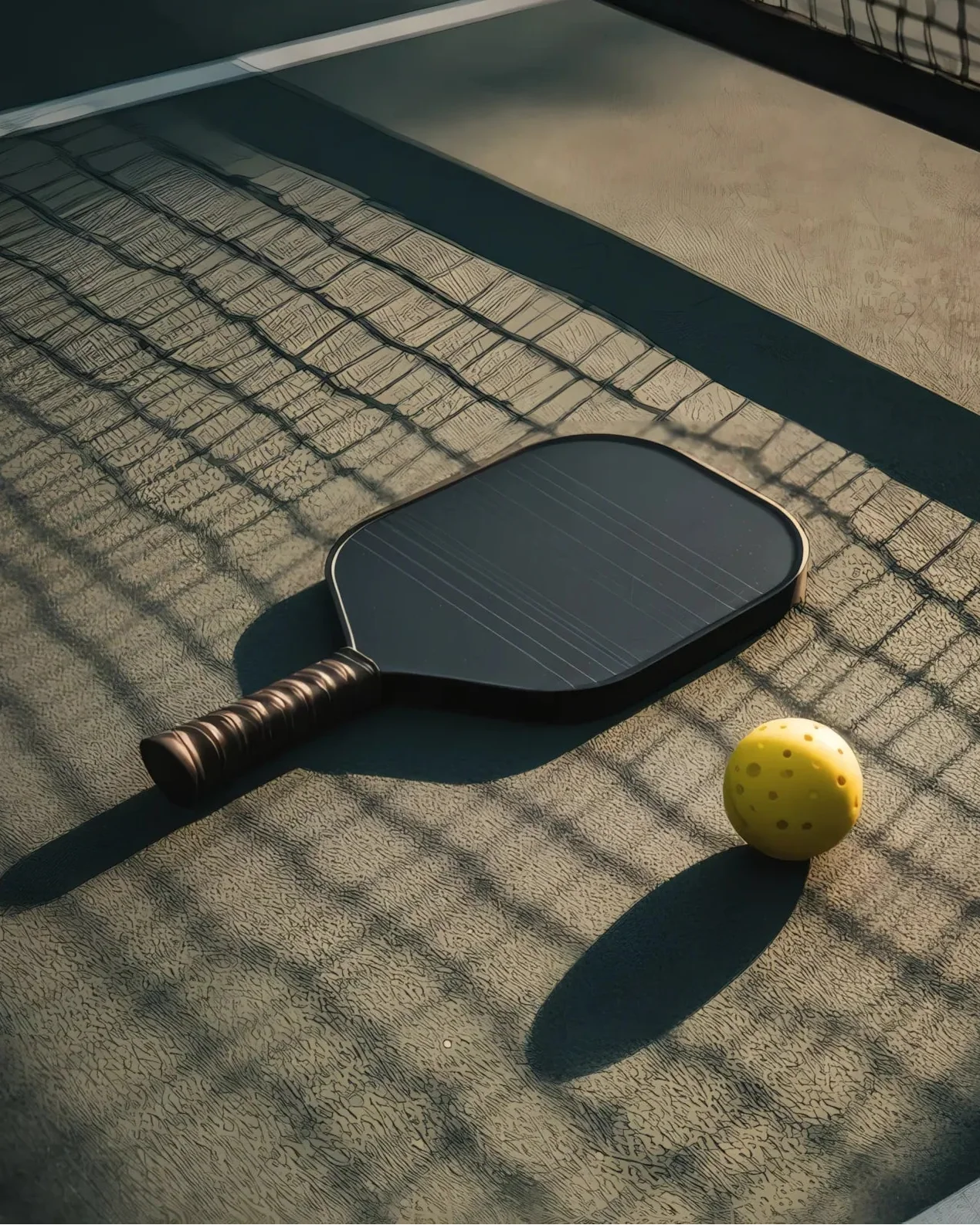
What Is Pickleball? The Basics
Pickleball is a fast-growing paddle sport that blends elements of tennis, badminton, and ping-pong. Played on a smaller court with a net, it’s easy to pick up, making it a favorite for all ages and skill levels. Whether you’re swinging a lightweight paddle or chatting between points, pickleball’s social vibe and quick rallies keep everyone engaged.
History & Origins
Pickleball was invented in 1965 on Bainbridge Island, Washington, by three dads—Joel Pritchard, Bill Bell, and Barney McCallum—looking for a fun way to keep their kids active. They improvised with what they had: lowered badminton nets, wooden paddles, and a perforated plastic ball. What started as a family pastime quickly became a nationwide sensation.
How Pickleball Got Its Name
There are two popular stories here. The first says the game was named after the Pritchard family dog, Pickles, who loved chasing stray balls. The other claims “pickleball” refers to a sailing term—“pickle boat”—where leftover crew members band together, much like the game’s mix-and-match origins. Both tales add to the quirky charm of the sport.
Why Pickleball Exploded Post-2020
Post-2020, pickleball’s popularity skyrocketed, and for good reasons: it’s accessible, social, and low-impact. The pandemic pushed people outdoors and toward activities that balance fun with safety. Add easy-to-convert tennis courts and a welcoming community, and you have a recipe for one of the fastest-growing sports in the U.S.—with no signs of slowing down.
Pickleball vs Tennis vs Paddle vs Ping-Pong – Key Differences
Here’s a quick look at how pickleball stacks up against tennis, paddle tennis, and ping-pong (table tennis). Knowing these differences helps you decide which game fits your style and space.
Court Size Comparison
| Sport | Court Dimensions (feet) |
|---|---|
| Pickleball | 20 x 44 |
| Tennis | 36 x 78 |
| Paddle Tennis | 20 x 50 |
| Ping-Pong | 9 x 5 (table) |
Pickleball courts are much smaller than tennis courts, almost the same width as a paddle tennis court but shorter. Ping-pong is obviously played on a table.
Equipment Differences
| Sport | Paddle/Racket | Ball Type | Net Height (inches) |
|---|---|---|---|
| Pickleball | Solid paddle (fiberglass/carbon) | Plastic ball with holes | 34 (center 36) |
| Tennis | Stringed racket | Pressurized felt ball | 36 (center 42) |
| Paddle Tennis | Solid paddle | Pressurized rubber ball | 34 |
| Ping-Pong | Small paddle (wood + rubber) | Lightweight plastic ball | 6 |
Pickleball paddles are solid and lighter than tennis rackets but bigger than ping-pong paddles. The balls vary in size and texture.
Rules at a Glance (Singles vs Doubles)
| Factor | Pickleball | Tennis | Paddle Tennis | Ping-Pong |
|---|---|---|---|---|
| Singles/Doubles | Both played, doubles more common | Both common | Primarily doubles | Both common |
| Scoring | 11 points, win by 2 | 4 points (15-30-40-game) | Similar to tennis | 11 points, win by 2 |
| Serve | Underhand, diagonal serve | Overhand or underhand | Overhand | Underhand or overhand |
| Non-Volley Zone | 7 feet 'kitchen' near net | No | No | No |
The 7-foot kitchen (non-volley zone) is unique to pickleball and changes how you play at the net. Pickleball’s scoring is faster-paced, making games shorter and beginner-friendly.
Understanding these basics helps if you’re switching sports or just curious what makes pickleball special compared to tennis, paddle tennis, or ping-pong.
The Rules of Pickleball – Explained Like You’re Five (Then Like You’re Ready to Win)
Court Layout & Dimensions
Pickleball is played on a rectangular court 20 feet wide and 44 feet long for both singles and doubles. The net sits 36 inches high in the middle. The court is divided into right and left service courts by a centerline, and there’s a special area called “the kitchen” near the net.
The Kitchen (Non-Volley Zone) Explained Simply
The kitchen is a 7-foot zone on both sides of the net where you can’t hit the ball in the air (no volleying). You have to let the ball bounce first if you’re standing inside this space. This rule helps keep the game safe and fair by stopping players from smashing the ball too close to the net.
Scoring System (11 Points, Win by 2)
Games usually go up to 11 points, but you have to win by at least 2 points. Only the serving team can score points. If the receiving team wins the rally, they earn the right to serve next but don’t get points right away.
Double-Bounce Rule
After the serve, each team must let the ball bounce once on their side before hitting it. So, the ball bounces once on the receiver’s side, then once on the server’s side—after that, players can volley or play it off a bounce.
Serving Rules & Faults
- Serves are underhand and must be hit below the waist.
- Serve diagonally to the opposite service court.
- The ball should clear the non-volley zone (kitchen).
- If the serve hits the net and lands in the right spot, it’s a “let” and you serve again.
- Faults include stepping into the kitchen during a volley, hitting the ball out of bounds, or serving improperly.
Common Beginner Mistakes to Avoid
- Stepping into the kitchen while volleying (easy to mess up).
- Ignoring the double-bounce rule and volleying too early.
- Serving incorrectly (like hitting overhead or not clearing the kitchen).
- Forgetting to call the score out loud before serving.
- Trying to smash every ball instead of learning dinks and drops.
Knowing these basics will help you get on the court confidently and play smart from the start!
Essential Pickleball Equipment in 2026
Getting the right gear makes a huge difference in how you play pickleball. Here’s a quick rundown of what you’ll need in 2026, from paddles to shoes and beyond.
Paddles: Materials & Weight Classes
Pickleball paddles come mainly in three materials:
- Fiberglass: Offers good power, affordable, but a bit heavier.
- Carbon fiber: Lightweight and very responsive, great for quick shots.
- Composite: A mix of materials balancing control and power.
Paddles also fall into weight classes:
- Light (6.5–7.2 oz): Easy to maneuver, less arm fatigue, perfect for beginners.
- Midweight (7.3–8.0 oz): Balanced power and control, suited for most players.
- Heavy (8.1+ oz): More power but can tire your arm faster.
Best Beginner Paddles Under $80
If you’re starting out, you don’t need to break the bank. Some popular options:
- ONIX Z5 Graphite (fiberglass)
- Selkirk Neo Outdoor Paddle Composite
- Paddletek Tempest Wave
Best Intermediate & Advanced Paddles
For players leveling up, consider these for better touch and control:
- Velafit Pulse & Velafit Apex: Both use advanced materials focused on feel and durability, ideal if you want serious control and power.
- Selkirk Amped Invikta (carbon fiber)
- Engage Encore Pro
Balls: Indoor vs Outdoor with Durability Chart
- Indoor Balls: Larger holes, softer, less bounce. Best for gym floors.
- Outdoor Balls: Smaller holes, harder plastic, more durable on rough surfaces.
| Ball Type | Durability | Bounce | Recommended Use |
|---|---|---|---|
| Indoor | Medium | Softer | Indoor courts |
| Outdoor | High | Higher bounce | Outdoor courts |
Shoes: Why Running Shoes Don’t Work + Top 5 Pickleball Shoes
Running shoes lack the sideways support crucial for pickleball. You want shoes designed for lateral movement to protect your ankles and knees. Here are top picks in 2026:
- ASICS Gel-Rocket 10
- K-Swiss Hypercourt Express 3
- New Balance 806 v1 (great for wide feet)
- Nike React Vapor NXT
- Adidas Adizero Ubersonic 4
Nets & Portable Systems
If you want to play anywhere, look for nets that are easy to set up and take down, lightweight yet sturdy. Some portable systems come with adjustable height and foldable frames—great for backyard and park play.
Bags, Grips, Gloves & Apparel
- Bags: Pickleball-specific bags have compartments for paddles, balls, shoes, and water bottles.
- Grips: Replace grips regularly for better control; tacky grips help with sweaty hands.
- Gloves: Optional but useful if you tend to get blisters or want extra grip.
- Apparel: Breathable, moisture-wicking clothes keep you comfortable during long games.
Having the right equipment tailored to your skill level and playing style makes pickleball a whole lot more fun—especially in 2026 with all the great gear options available!
How to Play Pickleball – Step-by-Step Beginner Tutorial
Proper Grip & Ready Position
Start with an easy grip—think of holding a hammer. That’s called the continental grip, and it’s great for all shots. Keep your wrist firm but relaxed. Stand with knees slightly bent and feet shoulder-width apart. Stay on your toes, ready to move quickly.
The Serve (Underhand Only)
Pickleball serves are always underhand. Toss the ball slightly in front, swing your paddle below your waist, and hit the ball into the opposite diagonal court. Keep your serve smooth, aiming deep to make it tough for your opponent to attack right away.
Dinks, Volleys, and Drives
- Dinks: Soft, low shots landing just over the net, usually into the “kitchen” (non-volley zone). Great for control and forcing mistakes.
- Volleys: Shots hit in the air before the ball bounces, usually near the net. Stay balanced and ready.
- Drives: Hard, fast shots aimed deep or sideways to push your opponents back.
Third-Shot Drop Mastery
This is the key shot that moves you from beginner to intermediate. After the serve and return, the third shot is usually a soft “drop” into the kitchen. It neutralizes the rally, allowing your team to get to the net — where winning shots happen. Practice making that drop low and soft, so your opponents can’t smash it.
Basic Strategy & Positioning in Doubles
- Stay side-by-side near the kitchen line after the third shot drop.
- Communicate with your partner — call shots and cover the court’s weak areas.
- Use a court heat-map approach:
- Control the kitchen line (front court) to apply pressure.
- Cover lobs and deep shots carefully from the backcourt.
- Move as a unit — don’t leave open spots.
Mastering these basics gets you playing confident, fast-paced pickleball that’s a blast and makes winning easier.
Where to Play Pickleball Near You
Finding a place to play pickleball doesn’t have to be hard. Whether you’re just starting out or looking for a regular spot, there are some great online tools and apps to help you locate courts nearby.
Best Apps & Websites to Find Pickleball Courts
- Pickleheads: This app connects players and shows local courts, leagues, and meetups. It’s perfect for finding busy spots or making new friends.
- PlayTime Scheduler: Easy to use and great for booking court time or joining pick-up games.
- USA Pickleball Places2Play: The official USA Pickleball site has a searchable database of courts across the country, complete with details like court surface and lighting.
Finding Local Clubs, Drop-in Sessions & Leagues
- Many communities have pickleball clubs that welcome beginners and advanced players alike.
- Drop-in sessions are casual, no-commitment times to play, usually hosted by local parks or recreation centers.
- Leagues range from beginner to competitive, providing a chance to improve skills and meet serious players.
Using Tennis Courts for Pickleball
- Tennis courts are often converted easily for pickleball by adding temporary nets and painting or taping proper pickleball lines.
- This is common in many parks with limited space, helping grow pickleball access without needing new facilities.
No matter where you live in the U.S., chances are good you can find a nearby court or group ready to welcome you to the game. Just grab your paddle and get out there!
Pickleball Etiquette & Unwritten Rules
Playing pickleball is not just about skill—it’s also about being a good sport and showing respect on the court. Here are some must-know etiquette tips and common pet peeves to keep the game fun for everyone.
Court Courtesy & Warm-Ups
- Respect the Court Time: If you’re playing in a public park or shared court, keep your games to a reasonable length so others can get a turn.
- Warm Up Quickly: Use warm-up time efficiently—dinking gently and hitting a few volleys is enough before your match starts. No need for long practice swings that block the court.
- Don’t Hog the Net: Avoid standing right on the net line or lingering in others' playing space, especially during warm-ups or breaks.
Scoring Calls & Honesty
- Call Your Own Lines Clearly: Good players call their own faults and let the opponent know where the ball landed. If you’re unsure, give a benefit of the doubt.
- Announce the Score Loudly: Before each serve, say the score clearly. This avoids confusion and keeps everyone on the same page.
- Accept Close Calls Graciously: Mistakes happen. Don’t argue or get upset over tight calls. Just play on and keep the game positive.
What Not to Do – Biggest Pet Peeves
- No Yelling or Trash Talk: Pickleball is social and friendly, so leave the aggressive trash talk at the door.
- Avoid Slow Play: Keep the pace moving—holding the ball too long or walking slowly between points can frustrate others.
- Don’t Interrupt: Wait for the point to end before chatting or distracting your opponents.
- Avoid Excessive Celebrations: It’s great to celebrate a good shot, but keep it cool to avoid making others uncomfortable.
Following these simple etiquette rules keeps pickleball welcoming, fun, and fair—whether you’re a newbie or hitting local leagues across the U.S.
Health Benefits & Why Adults Over 40 Are Obsessed
Pickleball is perfect for adults over 40 because it’s a low-impact cardio workout that’s gentle on your joints but still gets your heart pumping. Unlike running or high-intensity sports, pickleball lets you move quickly without harsh strain, making it easier to stick with over time.
Why Adults Love It
- Joint-friendly: The smaller court and slower pace reduce stress on knees, hips, and ankles.
- Social: Pickleball’s often played in doubles, so it’s great for meeting people and building a community.
- Mental boost: Quick thinking and strategy keep your brain sharp and focused.
- Easy to learn: The simple rules help new players get into the game fast without frustration.
Injury Prevention Tips
| Tip | Why It Helps |
|---|---|
| Warm up for 5–10 minutes | Prepares muscles and prevents strains |
| Use proper shoes | Provides the right grip & support |
| Stretch after playing | Reduces muscle tightness & soreness |
| Start slow, build gradually | Avoids overuse injuries |
| Stay hydrated | Keeps energy up and cramps down |
Overall, pickleball offers a balanced mix of cardio, strength, and social fun—making it ideal for staying fit and engaged, especially if you’re over 40.
Frequently Asked Questions About Pickleball
Here are some of the most common questions people ask about pickleball, with simple, clear answers:
Is pickleball good for seniors?
Yes! Pickleball is low-impact and easy on the joints, making it great exercise for adults over 40 and seniors. It helps with balance, agility, and social connection.
Can you play singles in pickleball?
Absolutely. While doubles is more popular, singles pickleball is played on the same court with the same rules, just one player per side.
What is the kitchen in pickleball?
The kitchen is the non-volley zone near the net where you can’t hit the ball in the air. It stops players from smashing volleys right at the net.
How do you keep score in pickleball?
Games are played to 11 points, and you must win by 2. Only the serving team can score points.
What’s the double-bounce rule?
After the serve, the ball must bounce once on each side before players can volley it.
Do I have to serve underhand?
Yes, the serve must be underhand and hit below the waist.
What kind of paddle is best for beginners?
Look for a lightweight composite paddle under $80 with a comfortable grip.
Indoor vs outdoor pickleball balls – what’s the difference?
Indoor balls have fewer holes and are softer, while outdoor balls have more holes and are tougher to handle wind.
Can I use running shoes for pickleball?
It’s better to use pickleball-specific or court shoes. Regular running shoes don’t provide the side-to-side support needed.
Where can I find places to play pickleball near me?
Apps like Pickleheads and PlayTime Scheduler and sites like USA Pickleball Places2Play can help you find local courts and clubs.
Is pickleball difficult to learn?
Not at all! The basics come fast, and key shots like the third-shot drop can take your game to the next level.
Are there pickleball tournaments for beginners?
Yes, many local clubs and organizations host beginner-friendly tournaments and leagues.
What’s the difference between pickleball and paddle tennis?
They have different court sizes, balls, and paddles. Pickleball courts are smaller, and the game uses plastic balls with holes.
Feel free to ask more! Pickleball is growing fast, and there’s always something new to learn.
Share:
Discover Pickleball Basics Gear and Local Courts for Beginners
Discover Pickleball Rules Gear and Local Courts for Beginners