
The Origins and Evolution of Pickleball
Pickleball is one of the fastest-growing sports in the United States, but its story started in a simple backyard in 1965. The game was created by three dads—Joel Pritchard, Bill Bell, and Barney McCallum—looking for a fun, family-friendly activity. They combined elements from badminton, tennis, and ping-pong, crafting a sport that anyone could play regardless of skill or age.
The quirky name “pickleball” has a fun origin story too. Some say it was named after the Pritchard family dog, Pickles, who would chase after the ball and hide it. Others claim “pickleball” refers to the mix—or “pickle boat”—of different sports coming together, much like the rowing term. Either way, the name stuck, adding to the game’s charm.
From those early days in Washington state, pickleball has exploded nationally and now internationally. Local parks and community centers saw rapid growth as players of all ages picked up paddles. Regional booms happened in places like Arizona, Florida, and the Pacific Northwest, fueled by grassroots leagues and social groups. Today, pickleball is more than just a pastime—it’s a community builder and a staple of outdoor and indoor venues alike, connecting millions across the globe.
Whether you’re curious about what pickleball is or how it grew into a full-fledged sport, understanding its laid-back origin helps explain why it remains so welcoming and accessible.
Core Rules and Gameplay Basics
Pickleball is played on a court that's 20 feet wide and 44 feet long—about the size of a badminton court. The court is divided into right and left service zones on each side, plus a 7-foot non-volley zone near the net (often called the “kitchen”), where you can't volley the ball.
Scoring Fundamentals and Serving Rules
Games usually go to 11 points, and you must win by 2. Only the serving team can score. Serves are underhanded and must land diagonally in the opponent’s service box, clearing the kitchen line. After the serve, both teams must let the ball bounce once before volleys are allowed—this “double bounce rule” keeps play fair and fun.
Singles vs. Doubles Strategies
Singles pickleball demands more court coverage and quick positioning, while doubles is about teamwork and communication. In doubles, players often stay near the kitchen line to attack volleys, while in singles you’ll move more to control the back and front court.
Common Faults and Beginner Pitfalls
Watch out for hitting the ball out of bounds, volleying in the kitchen, or serving into the wrong zone—these cause immediate faults. Beginners often try to hit too hard or rush volleys before the ball bounces, so patience and control are key early on.
Pro Tip: Quick Rule Cheat Sheet
- Serve underhand, diagonally, and behind the baseline.
- Let both teams bounce the ball once after the serve.
- No volleying in the kitchen zone.
- Only servers can score points.
- Play to 11, win by 2.
Understanding these basics sets you up for smoother gameplay and faster improvement, whether you’re hitting an indoor pickleball venue or outdoor courts near you.
Essential Pickleball Equipment
Getting the right gear makes a big difference in how you play pickleball. Here’s what you need to know about paddles, balls, and more:
Paddle Types and Materials
- Wood paddles: Heavier, cheaper, good for beginners but less control.
- Composite paddles: Most popular; made with a mix of materials like fiberglass or carbon fiber, offering a good balance of power and control.
- Graphite paddles: Lightweight and responsive, often favored by serious players.
Balls and Accessories Differences
- Outdoor balls: Harder and more durable with smaller holes to handle wind and rough court surfaces.
- Indoor balls: Softer with larger holes, designed for controlled bounce on indoor courts.
- Accessories to consider: paddle covers, grips, balls, and carrying bags. These help protect your gear and keep it game-ready.
Budget vs. Premium Gear
- Budget gear: Great for getting started, affordable options often use basic materials and last less.
- Premium gear: Higher price but better durability, lighter weight, and improved performance—worth it if you’re playing regularly.
Sustainability and Eco-Friendly Options
- More brands are now offering paddles made from recycled or renewable materials.
- Look for eco-conscious options if you're aiming to reduce your environmental impact without sacrificing quality.
Choosing the right pickleball equipment fits your budget and playing style, setting you up for fun and steady improvement.
Beginner Strategies and Drills for Pickleball
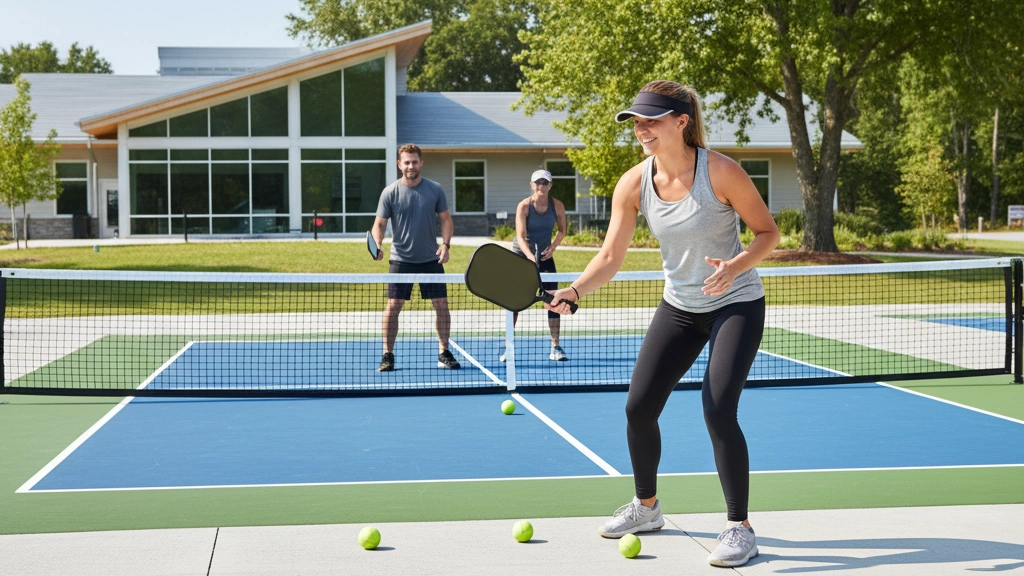
Starting out in pickleball is all about getting comfortable with the right grip and stance. Most beginners use the continental grip, which feels like holding a hammer—easy and natural for hitting different shots. Keep your feet shoulder-width apart with knees slightly bent; this stance helps you stay balanced and ready to move quickly.
Key Shots to Know
- Serve: The only shot you fully control, so focus on a smooth underhand motion.
- Dink: A soft shot into the kitchen (non-volley zone) to force your opponent to move forward.
- Drive: A faster, low shot meant to push your opponent back.
- Volley: Hitting the ball in the air without letting it bounce, usually near the net.
Mastering these will give you a solid foundation.
Progression Drills with Timing
- Wall Rally: Practice hitting the ball against a wall to improve consistency and timing.
- Partner Dink Drill: Stand close to the net with a partner, working on soft, controlled shots.
- Serve and Return: Alternate serves with a partner, focusing on accurate placement.
- Third Shot Drop Drill: Practice dropping the ball softly into the kitchen after the serve and return.
Start slow, then increase speed as your control improves.
Injury Prevention Tips
- Warm up before playing with light stretching and movement.
- Use proper shoes designed for court sports to protect your knees and ankles.
- Don't overdo it—take breaks and listen to your body.
- Focus on good technique to avoid strain, especially with your wrist and shoulder.
With these beginner pickleball tips, you’ll build a strong game while staying safe and having fun.
Health and Social Benefits of Pickleball
Pickleball isn’t just fun—it’s great for your body and mind. Whether you’re looking to get active or meet new people, this sport fits the bill.
Physical Benefits and Calorie Burn
Pickleball offers a solid workout without being too intense. Here’s what you get:
| Benefit | Details |
|---|---|
| Calorie Burn | Around 400-600 per hour |
| Cardiovascular | Improves heart health |
| Strength & Agility | Boosts coordination & reflexes |
| Low Impact | Easier on joints than tennis |
Mental Health and Community Building
Playing helps reduce stress and sharpens focus. Plus, it’s a great way to stay connected:
- Social interaction lowers loneliness
- Friendly competition boosts mood
- Group play encourages teamwork
Inclusive Appeal Across Ages
Pickleball works for everyone, from kids to seniors:
- Easy-to-learn rules welcome beginners
- Adaptable pace suits different fitness levels
- Senior leagues and youth programs available nationwide
Local Social Meetup Encouragement
Joining local pickleball groups is simple and rewarding:
- Use apps like “Meetup” or “Playtime” to find courts and players
- Many communities host weekly social games and mixers
- Great for building friendships and staying active
Pickleball bridges the gap between exercise and socializing, making it the fastest growing sport for all ages in the U.S.
Finding and Joining Local Pickleball Scenes
Getting into local pickleball is easier than ever, especially with the right tools and mindset. Here’s how you can jump right in and start playing:
Using Apps for Court Location
Finding a pickleball court near me is simple with popular apps like Pickleball Finder, PlayTime, and CourtReserve. These tools show nearby indoor and outdoor pickleball courts, times for open play, and sometimes even local tournaments. They’re essential for discovering courts in your city or suburb.
Open Play and League Etiquette
When you join open play or leagues, keep these basics in mind:
- Be on time and ready to start.
- Rotate fairly to let everyone play.
- Respect skill levels—beginners might need a little extra patience.
- Communicate with your partners and opponents politely. Knowing and following these unspoken rules helps you fit into the local scene smoothly.
Building Networks and Beginner Groups
Locally, many enthusiasts create beginner-friendly groups. Look for community centers, YMCA clubs, or local Facebook groups focused on pickleball. Joining these groups is a great way to find players your level and make friends who can help you improve. Some towns also have weekly meetups or “newbie nights” — perfect for easing into the game.
Velafit Community Integration
If you’re looking for a more structured way to grow your game and meet players, check out Velafit. Velafit organizes pickleball sessions, coaching, and social events tailored for all ages and levels across the U.S. They emphasize community-building, so it’s not just about playing but also about connecting. Signing up with Velafit gives you access to local events, leagues, and even fitness programs to boost your pickleball skills.
Jumping into the local pickleball scene isn’t just about finding courts — it’s about finding people, playing regularly, and enjoying the welcoming pickleball community right in your backyard.
Advancing Your Game: Skill Ratings, Tournaments, and Coaching
If you want to take your pickleball game to the next level, understanding skill-rating systems is a good place to start. Most local and national pickleball leagues use the USA Pickleball rating system, which ranks players from beginner (1.0) to pro (5.0+). Knowing your rating helps you join the right tournaments and find matches that challenge you without being overwhelming.
Tournament Formats and Entry Tips
Pickleball tournaments usually have singles, doubles, and mixed doubles events. Here’s what to keep in mind:
- Formats: Round robin for beginners to get more playtime; single or double elimination for more competitive events.
- Entry: Register early since popular local tournaments fill up fast.
- Divisions: Players are grouped by age and skill rating, so check your rating before signing up.
Playing tournaments is great for improving your game, building nerves, and meeting other players.
Coaching and Advanced Drills
To improve faster, consider working with a coach who can:
- Analyze your technique and correct bad habits.
- Introduce advanced drills focusing on things like footwork, paddle control, and shot variety.
- Help you design a practice routine tailored to your skill level and goals.
Many local pickleball clubs offer group clinics or private lessons, so look for options near you.
Staying Motivated for Long-Term Progress
Pickleball is a sport where progress feels real and fun if you stay consistent. Here are some tips to keep your motivation up:
- Set small goals—like mastering a new shot or improving your serve.
- Track your progress through matches or drills.
- Join local pickleball groups or leagues to stay social and committed.
- Celebrate wins, but treat losses as learning steps.
With time and effort, advancing your pickleball skills can be incredibly rewarding and enjoyable. The key is finding the right balance of practice, competition, and coaching to suit your lifestyle.
Share:
Best Pickleball Paddles 2025 Guide for Power Control and Comfort
Pickleball Guide for Beginners Equipment Tips and Local Courts