
Understanding the Basics: What Makes a Pickleball Paddle Different?
If you’re coming from tennis or racquetball, pickleball paddles might feel familiar but have some key differences that impact play. Let’s break down what sets these paddles apart and what every player should know about their design, history, and regulations.
A Quick Look at Pickleball Paddle Evolution
Pickleball started in the mid-1960s, and early paddles were simple wooden boards—heavy and less maneuverable. Over time, manufacturers introduced lighter materials like composite and graphite, improving speed, control, and durability. Today’s paddles blend tech and tradition for a balanced, responsive feel.
Core Anatomy of a Pickleball Paddle
Understanding paddle parts helps you make smart choices:
| Paddle Part | Description |
|---|---|
| Face | The hitting surface; can be wood, composite, graphite, or carbon fiber. Texture affects spin. |
| Core | The inner material providing shock absorption and power; types include polymer, Nomex, or aluminum honeycomb. |
| Edge Guard | Protects paddle edges from dings and damage during play. Some paddles have guardless designs for added sweet spot. |
| Handle | Length and grip size affect comfort and control; usually wrapped with cushioning material. |
USAPA Regulations and Why They Matter
The USAPA (USA Pickleball Association) sets paddle standards to keep play fair and safe. Paddles must be approved based on size, weight, and surface roughness. Using USAPA approved pickleball paddles ensures your gear is tournament-legal and performs consistently.
Tips for Tennis Players Transitioning to Pickleball
Switching from tennis can be smooth if you remember:
- Paddle Size: Pickleball paddles are smaller and lighter than tennis racquets, so expect quicker wrist movement.
- Weight Matters: Pickleball paddles typically weigh between 6.7 and 8 ounces—lighter than tennis racquets. This favors control over raw power.
- Grip Difference: Pickleball grips tend to be shorter, requiring some adjustment in hand positioning.
- Stroke Style: Pickleball favors shorter, more controlled swings and quick reaction, unlike the longer tennis strokes.
Ready to pick the perfect paddle? Knowing these basics gives you a solid start!
Key Factors to Consider When Buying a Pickleball Paddle
Weight: Power vs. Maneuverability
The weight of your pickleball paddle directly affects how you play. Heavier paddles (around 8.2–9.0 oz) give you more power, great for smashing shots, but can tire your arm faster. Lighter paddles (6.5–7.5 oz) offer better control and faster reaction, perfect for quick volleys and dinks. For example, if you’re a tennis player used to heavier rackets, you might prefer a mid-weight paddle to balance power and maneuverability.
Material and Construction
Pickleball paddles come in various materials:
- Wood: Affordable but heavy and less common today.
- Composite: A mix of materials, often with a polymer core, offering a good balance of weight and power.
- Graphite/Carbon Fiber: Lightweight and responsive, these paddles provide excellent touch and control, favored by intermediate and advanced players.
Shape and Size
Paddle shape affects reach and sweet spot size.
- Standard: Balanced shape for all kinds of players.
- Elongated: Longer paddles offer extra reach and power but less surface area, requiring precision.
- Widebody: Wider hitting surface for more forgiveness and easier control, great for beginners.
Grip and Handle
Choosing the right grip size is crucial for comfort and injury prevention. Most paddles come with grip sizes ranging from 4 inches to 4 ½ inches:
- Measure your hand or try several options to avoid too tight or too loose grips.
- Some paddles feature extra cushioning or anti-vibration technology to reduce arm strain during long sessions.
Price Tiers
Pickleball paddles cover a wide price range:
- Budget options ($20-$50): Basic wood or simple composite paddles, good for casual play or beginners testing the game.
- Mid-range ($50-$100): Better materials like composite with improved cores and grip options.
- Advanced tech ($100 and up): Graphite or carbon fiber paddles with specialized cores, optimized weight, and enhanced touch, ideal for serious players.
For example, some top-rated carbon fiber pickleball paddles hover around $120 and provide excellent spin and control features.
Matching Your Paddle to Your Playing Style and Skill Level
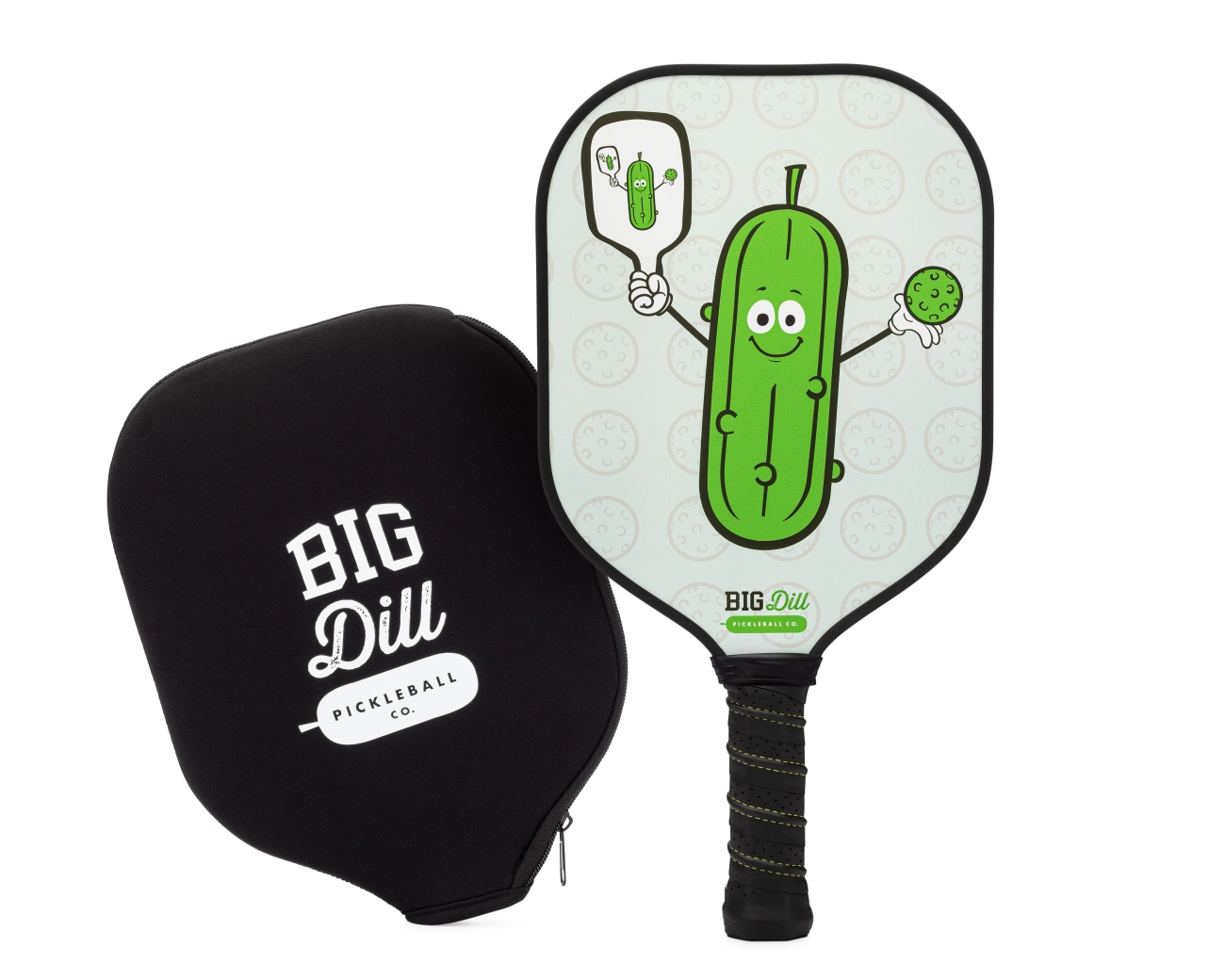
Choosing the right pickleball paddle depends a lot on your skill level and how you play. Here’s a quick guide to help you match your paddle to your game:
Beginners and Recreational Players
- Look for forgiveness and ease of use.
- Paddles with a larger sweet spot and lightweight handles help you learn without feeling weighed down.
- Materials like wood or basic composite offer durability without breaking the bank.
- A comfortable grip size is key to avoid fatigue.
Intermediate Players
- Balance power and control.
- Composite or graphite paddles with a mid-weight (7.5 to 8.2 ounces) work well here.
- Shapes like standard or widebody offer more hitting area and stability.
- These paddles let you experiment with placement and pace while maintaining control.
Advanced and Pro Players
- Focus on spin and precision.
- Carbon fiber or advanced composite paddles that are lighter and more maneuverable shine at this level.
- Elongated or narrow paddle shapes help with reach and fast wrist action for spin.
- Handle grips often include anti-vibe tech to reduce shock during aggressive play.
Need Help? Try a Paddle Finder Quiz
Many websites and brands offer interactive quizzes that ask about your playing style, skill level, and preferences. These are great for personalizing your search and finding the best paddle without guesswork.
Remember, the right paddle can make a big difference in your game, so take time to match it well!
Top Pickleball Paddle Recommendations for 2025—Curated by Velafit Experts
Here are the best pickleball paddles for 2025, picked by Velafit experts, covering all skill levels and playing styles.
| Paddle Model | Best For | Weight | Material | Key Features | User Feedback |
|---|---|---|---|---|---|
| Velafit ProSpin X1 | Best Overall | 7.8 - 8.2 oz | Graphite/Carbon | Spin-friendly surface, balanced power/control | Highly rated for feel and consistency |
| Velafit Rookie | Beginners | 8.5 oz | Composite | Lightweight, forgiving, cushioned grip | Easy to handle, great for new players |
| Velafit PowerMax | Power Players | 7.5 oz | Carbon fiber | Extra pop, elongated shape, anti-vibe tech | Excellent power, slightly less control |
| Velafit Value Bundle | Best Value | Varies | Mixed materials | Paddle + overgrip + carry case | Great starter pack, affordable price |
Best Overall Pickleball Paddle
Velafit ProSpin X1 blends power, control, and spin with a graphite face and carbon core. The paddle weighs around 8 ounces, making it great for all-around players. Users love its durability and balanced feel.
Best for Beginners
The Velafit Rookie paddle is ideal if you’re just starting out. It’s lightweight with a composite surface and a soft grip that reduces shock. This paddle helps with easy swings and control while you learn the game.
Best for Power Players
If you want to add serious pop to your shots, the Velafit PowerMax is built for power hitters. Its carbon fiber face and elongated shape drive harder shots but require solid technique to maintain control.
Best Value Pick Bundles and Accessories
For those on a budget, the Velafit Value Bundle offers a solid paddle paired with useful accessories like overgrips and a carry case. Great for casual players looking to get started without overspending.
Maintenance and Upgrades: Keeping Your Paddle in Peak Condition
To get the most out of your pickleball paddle, regular care is key. Here’s how to keep it in top shape:
- Cleaning: Wipe your paddle face and handle with a damp cloth after each game to remove dirt and sweat. Avoid harsh cleaners—they can damage the paddle surface.
- Avoid moisture: Don’t leave your paddle in wet or humid places. Moisture can warp or weaken the core.
- Customization: Add lead tape to the paddle edges if you want more weight and power. Overgrips can improve comfort and grip size, plus they absorb sweat better.
- Storage: Keep your paddle in a protective case, away from extreme heat or cold. Avoid leaving it in cars during hot summer days or freezing winters.
- Upgrade timeline: If you play several times a week, consider upgrading your paddle every 12–18 months. For casual players, a paddle can last 2+ years if well cared for.
By following these simple routines, you’ll extend your paddle’s life and keep your play sharp.
Common Mistakes to Avoid When Choosing Your First (or Next) Paddle
Picking your pickleball paddle can get tricky if you fall for common pitfalls. Here’s what I see most players mess up:
-
Don’t buy based on hype alone. Just because a paddle is popular or has flashy reviews doesn't mean it fits your style. Always test a few paddles if you can before committing.
-
Get the right grip size. A paddle that’s too big or small can lead to discomfort or even injury. Make sure to measure your hand or try different grips to find your perfect fit.
-
Stick to a smart budget. Going super cheap might save money upfront but often means a flimsy paddle that wears out fast. Aim for a quality paddle in your price range—it’s worth it for durability and performance.
-
Remember complementary gear. Great paddles won’t help much if your balls or shoes are subpar. Invest in USAPA-approved balls and good court shoes to get the most from your paddle.
Avoid these mistakes, and you’ll find a paddle that feels right and helps improve your game.
Share:
Best Pickleball Paddles 2025 Guide for Power Control and Grip
Pickleball Guide for Beginners Learn Rules Gear and Local Courts