
If you’ve caught wind of the pickleball craze sweeping the nation, you’re not alone. This fast-paced, super social paddle sport is reshaping fitness routines by blending the best of tennis, badminton, and ping-pong into one addictive game anyone can pick up quickly. Whether you’re curious about the rules, looking for nearby courts, or ready to jump into the fun, understanding pickleball is your first step to joining America’s fastest-growing fitness community. In this guide, we break down everything you need—from how to play to why it’s perfect for all ages—to help you get moving, stay active, and connect with others in a way that feels effortless and joyful. Ready to discover why millions are hooked? Let’s dive into the world of pickleball with Velafit.
The Origins and Evolution of Pickleball: From Backyard Game to Global Phenomenon
Ever wondered how pickleball went from a backyard experiment to one of America's fastest-growing sports? It all started in 1965 when three dads—Joel Pritchard, Bill Bell, and Barney McCallum—made a game for their kids on Bainbridge Island, Washington. Using a badminton court, a lowered net, and a perforated plastic ball, they crafted a fun new sport that quickly caught on. As for the quirky name? The story goes two ways: some say it’s named after the Pritchard family’s dog, Pickles, who chased after stray balls; others claim it came from the pickle boat in rowing—both add a charming slice of Americana to the game’s roots.
From those humble beginnings, pickleball has sprinted onto the global stage. Key growth milestones include the first official tournament in the 1970s, the formation of USA Pickleball in 1984, and the launch of professional tours like the PPA (Professional Pickleball Association) and APP (Association of Pickleball Professionals). These leagues have transformed pickleball from casual fun to serious competition, drawing top athletes and passionate fans alike.
Who’s playing now? You might be surprised—it’s not just retirees (though they love it). Pickleball is attracting all ages, from young adults to families, thanks to its easy-to-learn rules and social vibe. Social media has turbocharged this boom, with countless viral videos, live tournaments, and influencer endorsements sparking interest from coast to coast.
Speaking of community, Velafit has jumped into the mix, cultivating a vibrant and supportive pickleball culture. Whether you’re perfecting your serve or just joining your first rally, Velafit’s gear and events connect players nationwide, turning your love for the game into lasting friendships.
Ready to dig into how the game works and why people can’t get enough? Keep reading—pickleball is about to become your new favorite obsession. And when you’re ready, check out Velafit’s top pick for quality paddles and accessories designed to up your game without breaking the bank.
Understanding the Basics: What Makes Pickleball So Addictively Fun?
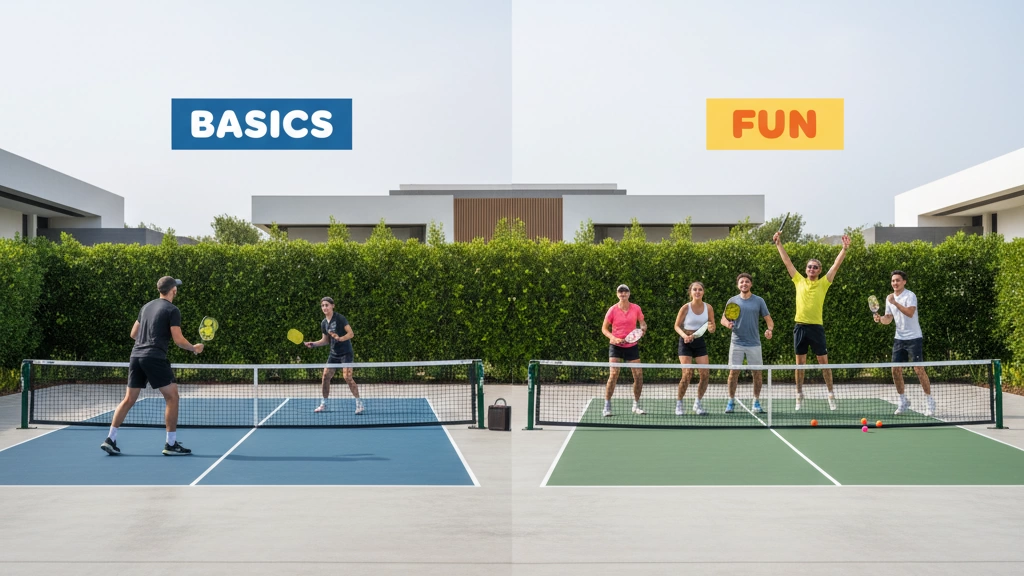
Pickleball is easy to jump into, but here’s why it keeps players hooked.
Court Size and Equipment Overview
- Court: Smaller than tennis (20x44 feet), about the size of a badminton court.
- Paddle: Solid, lightweight paddle—easier to handle than a tennis racket.
- Ball: Plastic with holes, lighter than a tennis ball, which slows down the game a bit.
| Sport | Court Size | Equipment | Ball Type |
|---|---|---|---|
| Pickleball | 20x44 feet | Paddle + perforated ball | Plastic w/ holes |
| Tennis | 36x78 feet | Racket + felt ball | Felt-covered ball |
| Badminton | 17x44 feet | Lightweight racquet | Shuttlecock |
Comparison with Tennis and Badminton
- Pickleball blends elements of both but is less intense physically.
- Slower ball speed means longer rallies.
- Smaller court means less running.
- Easy paddle grip means beginners quickly get control.
Why It's Easy for Beginners to Pick Up
- Simple rules and clear boundaries.
- Lightweight paddle reduces strain.
- Slower ball movement gives extra reaction time.
- Double bounce rule helps keep play fair and fun.
Social and Rally Aspects
- Pickleball’s quick points and friendly format encourage chatting and laughs between rallies.
- Doubles is popular, making it easy to meet people and form groups.
- The social vibe keeps beginners coming back.
Pickleball’s mix of simple gear, small courts, and social rallies makes it not just easy but fun from the start.
Pickleball Rules Decoded: Master the Game in Minutes
Here’s a quick rundown to get you playing fast:
| Aspect | Pickleball | Tennis | Badminton |
|---|---|---|---|
| Court Size | 20x44 feet | 36x78 feet | 20x44 feet |
| Serve | Underhand, must clear net and kitchen | Overhand or underhand | Underhand or overhand |
| Scoring | Only server scores, games to 11 points | Both players can score | Rally scoring |
| Non-volley Zone | 7-foot “kitchen” near net | None | None |
| Double Bounce Rule | Yes (each side must bounce once) | No | No |
Serving and Rally Rules
- Serve underhand, paddle below the waist.
- Serve diagonally, landing past the non-volley zone.
- Both teams must let the ball bounce once before volleys (the double bounce rule).
- After that, you can volley (hit before it bounces) except inside the 7-foot kitchen.
Non-Volley Zone (Kitchen) Details
- The kitchen is a 7-foot area on both sides of the net.
- No volleying is allowed here to prevent smashes right at the net.
- You can enter the kitchen to play a ball that’s bounced but must exit before volleying again.
Scoring and Faults
- You only score points when serving.
- Games typically go up to 11 points, win by 2.
- A fault happens if the ball:
- Doesn’t clear the net
- Lands out of bounds
- Is volleyed in the non-volley zone
- Bounces twice on one side
Common Fouls and Examples
- Volleying in the kitchen area.
- Serving into the kitchen.
- Not following the double bounce rule.
- Hitting the ball out of bounds.
- Stepping on or over the baseline during serve.
Pro tip: Keep a handy pickleball rules cheat sheet nearby as you learn—it’s a great quick reference to stay sharp on the court.
Health and Fitness Benefits: How Pickleball Transforms Your Body and Mind
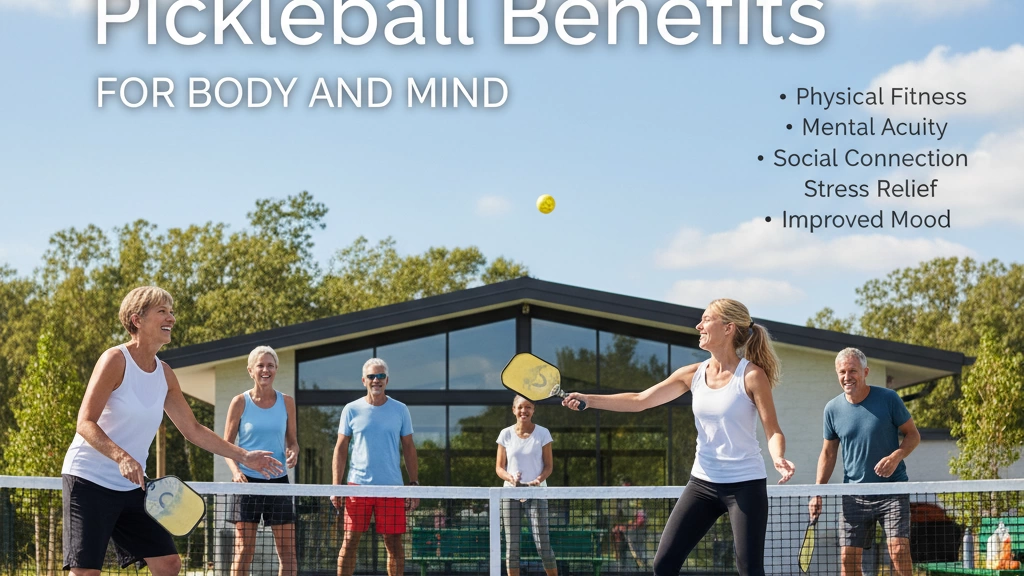
Pickleball isn’t just fun—it’s a great way to boost your health, both physically and mentally. Here’s how it helps:
| Benefit | What It Does |
|---|---|
| Cardio & Physical | Improves heart health, endurance, and agility through fast-paced rallies and quick movements. |
| Mental Health | Reduces stress, enhances mood, and sharpens focus by keeping your brain active during play. |
| Socialization | Builds connections and reduces loneliness with group play and local community involvement. |
| Accessibility | Gentle on joints and adaptable for all ages, making it perfect for seniors and people in rehab. |
| Yoga Combo | Pairing pickleball with yoga aids muscle recovery, flexibility, and injury prevention. |
Pickleball’s low-impact nature means it’s easy to get moving without overdoing it. Whether you’re recovering from an injury or just looking for a fun way to stay active, pickleball fits right into your routine. Plus, the social vibe keeps you coming back—it's a win for both your body and mind.
Essential Gear Guide: Start Playing Without Breaking the Bank
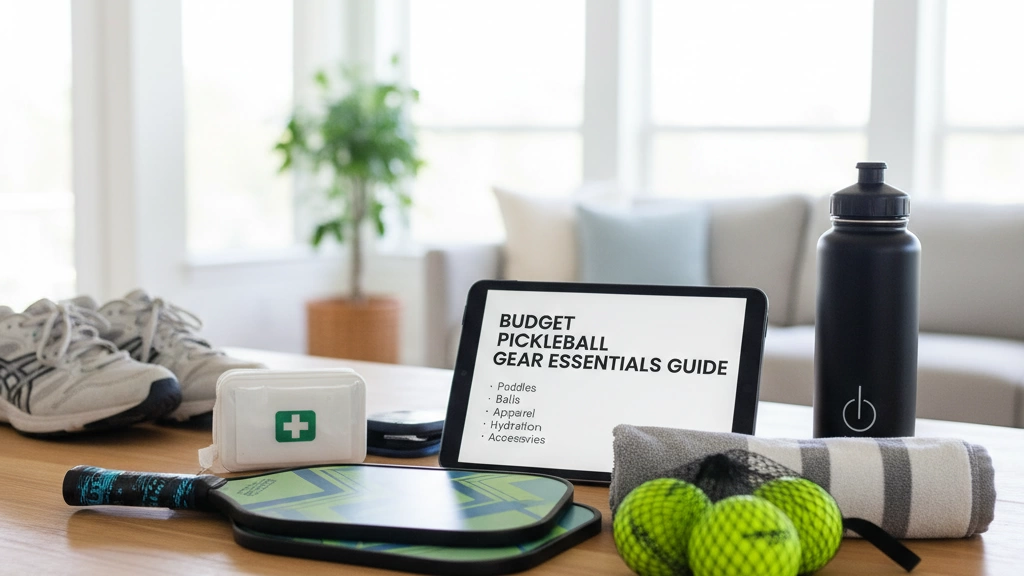
Getting started with pickleball doesn’t mean you have to spend a ton. Here’s a quick rundown of what you really need to hit the court comfortably and confidently.
Paddles, Balls, and Shoes Essentials
- Paddles: Look for lightweight paddles with a good grip. Entry-level paddles are perfect for beginners and usually cost less than $50.
- Balls: Outdoor and indoor balls differ, so choose accordingly. Outdoor balls are harder with smaller holes, while indoor balls have larger holes and softer feel. A pack of balls will typically run you under $10.
- Shoes: Pick shoes with good court support and non-marking soles. Tennis or cross-training shoes work well without having to buy specialized gear.
Budget vs. Pro Equipment Picks
- Budget gear: Great for casual players or those new to the game. Durable enough to last and gentle on your wallet. Ideal for backyard sessions or local courts.
- Pro gear: If you’re stepping up your game and playing in tournaments, investing $100+ in a high-quality paddle or shoes with extra support is worth it.
Useful Accessories Overview
- Paddle covers to protect your gear
- Wristbands and headbands to keep sweat in check
- Portable ball holders or carriers
- Lightweight bags to carry your gear easily
Ready to Gear Up?
Check out Velafit’s gear collection for quality pickleball essentials that blend style, function, and affordability — perfect for beginners and serious players alike. Get ready to play your best without overspending!
Finding Your Local Pickleball Scene: Courts, Groups, and Getting Started Near You
If you’re ready to hit the court, the first step is finding pickleball courts near me. Most cities and towns now have public courts at parks, recreation centers, or community gyms. A quick Google search like “pickleball courts near me” or checking local parks and rec centers’ websites is a solid starting point. Many places list open play times right online, so you can plan your visit.
To discover even more play options, apps and social media platforms are super helpful. Apps like “Pickleball Finder” or “CourtReserve” show nearby courts, upcoming tournaments, and local groups. Facebook and Instagram also have active pickleball communities where you can join local groups, ask questions, and find playing partners.
If you’re new to the game, joining beginner clinics or group sessions is a great way to learn faster and meet people. Look for local clubs or Velafit’s group classes — many offer beginner-friendly lessons that cover the basics and rules. Don’t hesitate to ask for guidance when you show up; pickleball players are usually welcoming and will help you get started.
Velafit makes it even easier to connect with the local pickleball scene. Their studio locator helps you find nearby facilities with dedicated pickleball hours, so you can book courts or classes that fit your schedule. Whether it’s indoor pickleball or casual outdoor games, Velafit has you covered for finding your next game close to home.
Advanced Tips and Common Mistakes: Level Up Your Game
If you’ve been playing pickleball for a bit, it’s easy to get stuck in some common beginner mistakes. Here are a few to watch out for—and how to fix them:
- Trying to power through every shot: Pickleball is all about control. Instead of smacking every ball hard, focus on placement and consistency.
- Ignoring the non-volley zone (kitchen): Staying aware of this area can prevent faults and improve your net game.
- Poor footwork and positioning: Move your feet to get in the right spot before hitting, instead of reaching or lunging.
- Not communicating in doubles: Talk with your partner to avoid confusion and cover the court better.
Key Strategies to Boost Your Play
- Dinking: This soft shot lands in the kitchen and forces your opponent to move forward, setting up easier returns.
- Stacking: A doubles tactic where partners line up on the same side during serve or return to keep your stronger player in an advantageous position.
- Third-shot drop: After a strong serve and return, use a soft third shot to drop the ball into the kitchen and take control at the net.
Moving Toward Competitive Play and Ratings
Once you’re comfortable with the rules and basic strategies, getting involved in local tournaments or leagues is the next step. Most clubs follow a rating system (1.0 to 5.0+) that helps match players of similar skills. You can:
- Attend beginner clinics to sharpen skills and meet players.
- Join local pickleball groups or leagues to get regular practice.
- Use USAPA (USA Pickleball Association) resources to check your rating and find tournaments nearby.
Leveling up takes time but focusing on strategy and fixing common mistakes can really accelerate your game.
Share:
Pickleball Guide 2025 How to Play Gear Rules and Local Courts
Pickleball Beginner Guide Rules Gear and Local Courts with Velafit