
The Origins and Evolution of Pickleball
Pickleball started in 1965, born out of a fun family experiment on Bainbridge Island, Washington. The story goes that Joel Pritchard, Bill Bell, and Barney McCallum wanted to create a new backyard game. Using a lowered badminton net, some ping-pong paddles, and a perforated plastic ball, they cobbled together what would become America's fastest growing sport.
As for the quirky name? Legend has it that “pickleball” was coined either after the Pritchard family’s dog, Pickles, who loved chasing stray balls, or because the mix of different sports reminded one participant of a “pickle boat” in crew—a term for a mismatched team. Either way, the name stuck, lending a playful vibe to this rapidly evolving game.
Fast forward to today, pickleball has exploded everywhere—from small town gyms to sprawling urban parks. Communities across the U.S. now boast vibrant local hotspots with dozens of free public pickleball courts. Cities like Phoenix, Austin, and Portland have become go-to hubs for players of all ages, fueled by leagues, clinics, and weekend tournaments.
What started as a casual family pastime has grown into a dynamic sport that’s bringing people together like never before. Whether you’re into competitive play or just some social fun, pickleball’s history reminds us that great things often start small—and with a bit of playful creativity.
Understanding the Basics: Court, Equipment, and Core Rules
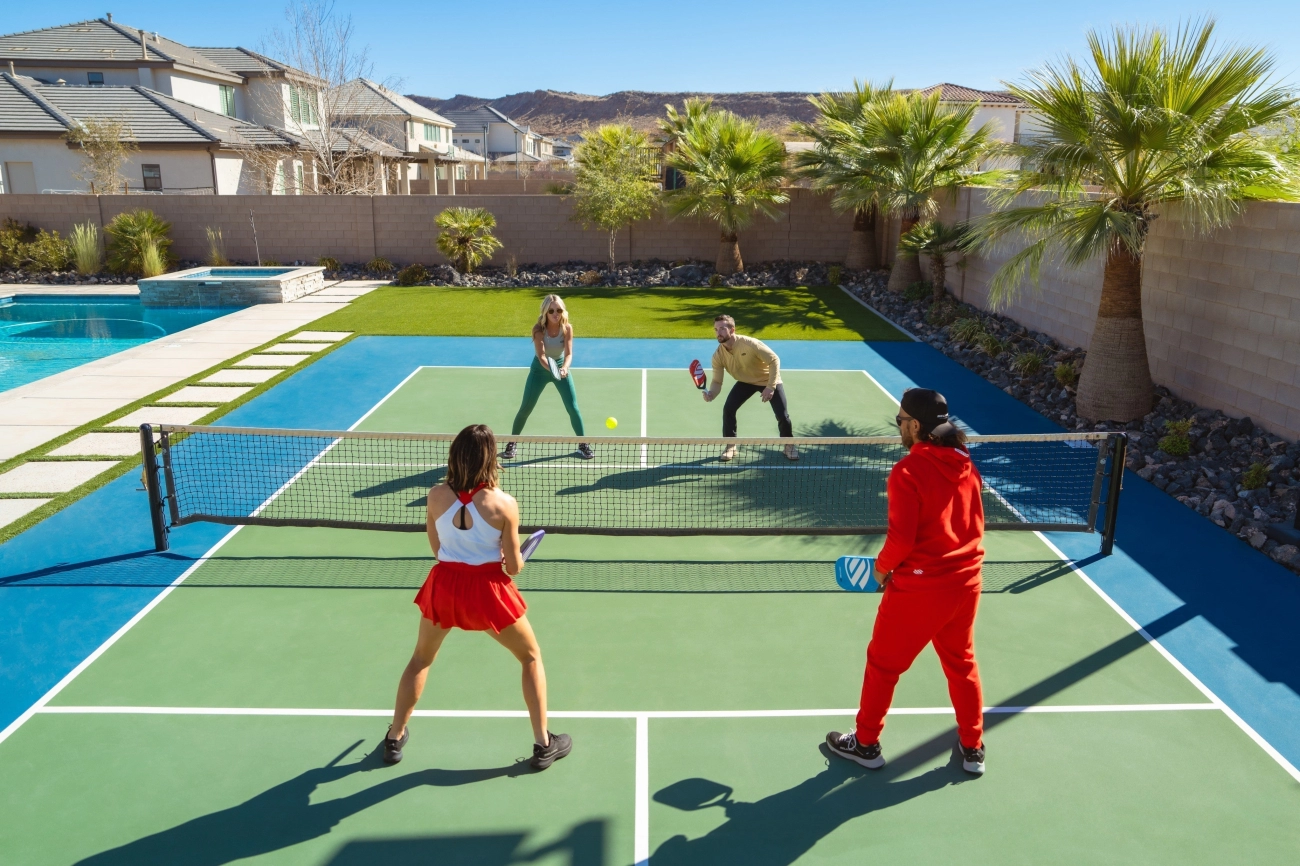
If you’re new to pickleball, getting the basics down first makes the game way more enjoyable. Here’s a simple guide to the court, gear, and rules to get you started.
Pickleball Court Layout
The court is similar to a badminton court—20 feet wide and 44 feet long. It’s divided by a 3-foot high net, with non-volley zones (also called the “kitchen”) extending 7 feet from the net on each side. These zones are important because you can’t hit the ball in the air while standing there.
Essential Pickleball Gear
- Paddles: Unlike tennis, pickleball paddles are smaller and come in wood, composite, or graphite. For starters, lightweight composite paddles work well.
- Balls: The balls are plastic with holes, similar to a wiffle ball. Indoor and outdoor balls vary slightly in feel and hole size.
- Footwear: Use court shoes with good grip and support—running shoes don’t cut it since you need lateral movement control.
- Apparel: Comfortable athletic wear, moisture-wicking fabrics, and sun protection for outdoor play are best.
Core Rules Overview
| Rule Aspect | What You Need to Know |
|---|---|
| Serve | Underhand, diagonal to opponent's service box |
| Scoring | Only the serving team can score points |
| Non-Volley Zone (Kitchen) | No volleys allowed inside the 7-foot kitchen zone |
| Double Bounce Rule | Both teams must let the ball bounce once after serve |
| Game Length | Generally played to 11 points, win by 2 |
Common Beginner Pitfalls & Tips
- Avoid the kitchen when volleying: Beginners often forget the no-volley zone and get faulted.
- Watch your serve: Make sure the serve is underhand and lands in the right box.
- Keep your paddle up: Staying ready helps react faster.
- Stay patient: The double bounce rule slows down the rally; use it to build your position.
Local Courts and Play Habits
Many communities now offer free public pickleball courts you can find through apps like the USA Pickleball app or community recreation websites. Check for local indoor pickleball courts near me if weather is a factor. Also, using app-based bookings or groups helps find partners and clinics fast—perfect if you’re just starting.
Knowing the court, having the right gear, and understanding these core rules will get you on your way in the fastest growing sport USA is loving right now.
How to Play Pickleball: Step-by-Step for Newcomers

Getting started with pickleball is easier than you might think. Whether you’re playing singles or doubles, here’s a simple breakdown to help you jump in.
Singles vs Doubles: Pros and Cons
-
Singles:
- Pros: More exercise, improved agility, quicker reflexes.
- Cons: More court to cover; can be more tiring.
-
Doubles:
- Pros: Great for social play, less court to cover per player, good teamwork practice.
- Cons: Requires coordination and communication with your partner.
Game Flow: Serve and Rally Basics
- Start each point with an underhand serve, hitting diagonally into the opponent’s service court.
- The ball must bounce once on each side before volleys are allowed. This is called the double-bounce rule.
- Keep rallies going with controlled shots, using dinking (soft, low shots) near the net to set up your next move.
- Aim to win points by forcing your opponents into mistakes or weak returns.
Skill-Building Drills for All Levels
Try these simple drills to improve your game:
- Dinking Drill: Practice soft shots just over the net to improve touch and control.
- Serve Practice: Aim for targets in the service box to build accuracy.
- Volley Drill: Work on quick reactions and volley control with a partner.
- Third-Shot Drop Drill: Master the strategic drop shot after the serve to gain the net.
Inclusivity: Pickleball for Seniors and Kids
Pickleball’s low-impact nature makes it popular across all ages. For seniors and kids:
- Use lighter paddles and softer balls if needed.
- Focus on fun drills that build confidence and teamwork.
- Play at a slower pace to maintain comfort and safety.
Starter Kits and Instructional Videos
If you’re new, a starter kit with a paddle, balls, and basic gear can get you going without hassle. Pair this with beginner-friendly instructional videos found on platforms like YouTube or apps offering local lessons to speed up your learning curve.
With these basics, you’re all set to step onto the court, join local games, and start enjoying pickleball right away!
Health and Social Benefits: Why Pickleball Fits Your Lifestyle
Pickleball offers big physical and mental perks that anyone can enjoy, no matter your age or fitness level. It’s a low-impact sport, making it easier on joints than running or tennis, which helps prevent injuries while still giving you a solid workout.
Physical Benefits
- Cardio workout: Keeps your heart healthy without overdoing it
- Improves balance & agility: Great for fall prevention, especially in seniors
- Builds strength: Uses quick movements to tone muscles in legs, arms, and core
- Burns calories: Active play helps with weight management
Mental Benefits
- Boosts mood: Social interaction and exercise release feel-good endorphins
- Sharpens focus: Fast-paced rallies improve hand-eye coordination and mental alertness
- Reduces stress: Playing outdoors and staying active eases anxiety
Injury Prevention Tips
- Wear supportive footwear to reduce strain
- Warm-up before games with light stretching
- Stay hydrated and take breaks as needed
- Use proper technique to avoid overuse injuries
Community and Social Life
Local pickleball groups offer more than just games—they build friendships. Many towns have clubs, clinics, and meetups welcoming beginners to seasoned players. These groups host fun socials, charity events, and tournaments, creating a strong sense of belonging.
| Benefit Type | What You Gain | Example |
|---|---|---|
| Physical Health | Better balance, cardio, strength | Seniors improving mobility |
| Mental Wellness | Mood boost, stress relief | Players feeling more energized |
| Social Connection | New friends, group activities | Local pickleball leagues |
Getting involved in your local pickleball scene not only keeps you fit but connects you with a friendly, active community. Whether playing indoors or at a free public pickleball court near you, it’s a great way to stay healthy, both body and mind.
Finding Your Local Pickleball Scene: Courts, Groups, and Events
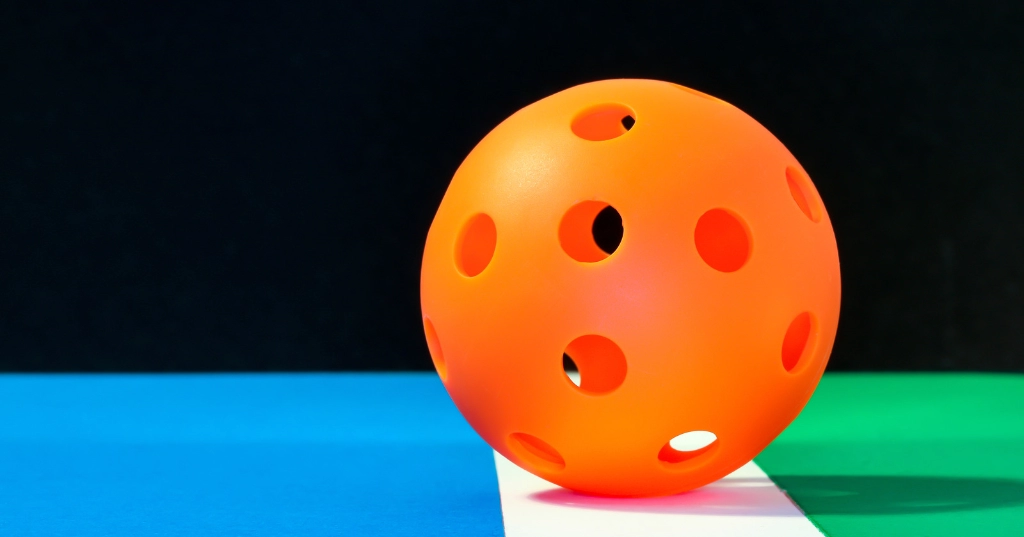
Looking to dive into pickleball close to home? Start by finding nearby courts and local groups to join.
Court Hunting Tools and Apps
Use apps like CourtReserve, PlayTime Scheduler, and Google Maps to locate free public pickleball courts or indoor facilities. Many community centers and parks list their courts online too.
Organizing Play and Clinics
Local pickleball clubs often host regular meetups, beginner clinics, and social playdays. Check community boards, Facebook groups, or Meetup for schedules. If you can’t find one, try organizing a casual group through apps or your local rec center — the pickleball community is welcoming and growing.
Tournament Insights for Beginners
If you’re ready to test your skills, many towns host beginner-friendly pickleball tournaments. These events are great for meeting players of all levels and learning the ropes in a friendly environment. Look for tournaments sanctioned by the USA Pickleball Association for official rules and ratings.
Noise and Etiquette Considerations
Pickleball can get loud, especially with the familiar “pop” of paddles hitting balls. Be mindful of noise rules if you play near residential areas. Basic etiquette includes:
- Calling your shots clearly
- Waiting your turn patiently
- Respecting other players and court time limits
Gear Pickup and Local Store Links
Need equipment or upgrades? Many local sporting goods stores stock pickleball paddles for starters and gear essentials like balls and shoes. Specialty shops and online retailers often offer demo days and gear advice. Supporting local stores helps grow the area’s pickleball scene.
By tapping into resources nearby, you’ll quickly find your place in the fast-growing pickleball world — friendly courts, great players, and lots of fun waiting just around the corner.
Gear Essentials and Upgrades: Building Your Kit with Velafit
When starting out in pickleball, having the right gear makes a huge difference. Velafit offers quality options whether you're a beginner or ready to upgrade your paddle for better performance.
Starter vs Advanced Paddle Options
- Starter paddles: Lightweight, affordable, and designed for control and comfort. Perfect if you’re just getting into the game or playing casually.
- Advanced paddles: Built with premium materials for better power, spin, and precision. These cost more but can really elevate your play as skills improve.
Velafit’s paddle lineup covers both ends of the spectrum, so you don’t need to jump straight to a pro-level paddle – move up as your game grows.
Essential Accessories
- Pickleball balls: Durable, indoor or outdoor types depending on where you play.
- Footwear: Pickleball-specific shoes with good grip and support help prevent injuries.
- Apparel: Lightweight, breathable clothing keeps you comfortable on the court.
- Paddle covers: Protect your investment during transport and storage.
- Carry bags: Convenient for organizing everything in one place.
Gear Maintenance Tips
- Wipe down paddles after each play to remove dirt and sweat.
- Store gear in a cool, dry place to extend its life.
- Check balls regularly—replace them when cracked or damaged.
- Rotate shoes and wash apparel regularly to keep fresh and ready.
Ready to Upgrade or Start Fresh?
Explore Velafit’s collection online or at local sports retailers. Whether you’re picking up your first paddle or hunting for that next-level upgrade, their gear hits the sweet spot for U.S. players looking to build a solid pickleball kit.
Gear up smart, play better!
Advanced Strategies and Next Steps: Leveling Up Your Pickleball Game
Ready to move beyond the basics? Mastering key shots like dinking and the third-shot drop can seriously improve your game. These soft, controlled shots help you control the net and create openings for winning points.
Here’s a quick breakdown:
- Dinking: Soft shots just over the net, used to keep opponents off balance.
- Third-shot drop: A gentle shot from the baseline that lands in the kitchen, setting up offensive play.
Understanding and practicing these will give you an edge in both singles and doubles.
Pro Tips and DUPR Ratings
The DUPR (Dynamic Universal Pickleball Rating) system is becoming popular for tracking skill levels fairly. Use your DUPR rating to find the right competition or group clinics tailored to your level. Watching pro matches and studying shot placement strategies can also give you a fresh perspective on the game.
Local Coaching and Clinics
Check out local pickleball clubs and recreation centers for coaching sessions. Many places offer group clinics focused on specific skills, like volley technique or court positioning. Joining these can speed up your progress and connect you with players around your skill level.
Future Trends and Tech Innovations
The pickleball scene is evolving fast, with tech like paddle sensors helping players analyze swing speed and ball impact. Expect more smart gear and app integrations soon to make training even smarter. Also, look out for new court surfaces and eco-friendly ball options hitting local stores and clubs near you.
Leveling up your pickleball game means combining smart practice, coaching, and staying updated on the latest gear and trends. Get out there, sharpen those shots, and enjoy the journey!
Share:
Pickleball Beginner Guide Rules Gear and Local Courts with Velafit
Pickleball Guide 2026 How to Play Rules Gear and Where to Start